
by admin | Aug 21, 2026 | Uncategorized
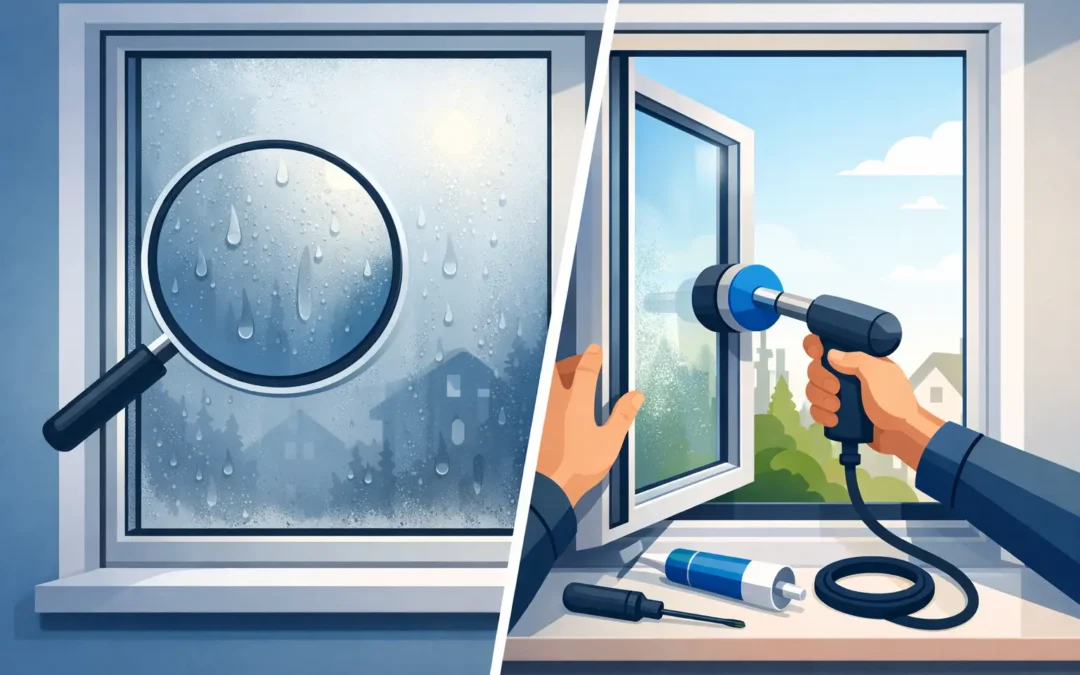
A clear double-glazed window should stay clear between the panes. So, why do windows mist internally? In most cases, it means the sealed unit has failed and moisture has found its way into the gap between the glass. It can look like a minor annoyance at first, but it is usually a sign that the unit is no longer performing as it should.
The good news is that misted glass does not automatically mean you need an entirely new window. The right solution depends on where the condensation is sitting, the condition of the frame and how well the window still operates.
Why do windows mist internally?
Modern double glazing is made from two panes of glass separated by a narrow, sealed gap. That gap contains dry air or an insulating gas, helping to reduce heat loss and improve comfort inside the home.
Around the edge of the unit is a spacer bar and a seal. This seal keeps moisture out and preserves the insulating space between the panes. When it breaks down, humid air can enter. As temperatures change, that moisture condenses on the inside faces of the glass, creating the familiar misty or cloudy appearance.
This is often referred to as a blown window, blown unit or failed sealed unit. The glass has not necessarily cracked, and the frame may still be perfectly sound. The problem is with the glass unit’s perimeter seal rather than the whole window.
First, check where the condensation is
Not all misting means the same thing. Before deciding what work is needed, look carefully at where the water or haze appears.
If you can wipe the moisture away from the room-facing side of the glass, it is surface condensation. This happens when warm, moist air in the home meets cold glass. Cooking, showering, drying clothes indoors and limited ventilation can all contribute. It is common in colder weather and can often be improved with regular ventilation, extractor fans and steady background heating.
If the moisture is on the outside pane and you cannot reach it from indoors, that can actually be a sign of efficient glazing. The outer pane has become cold enough for moisture in the outside air to settle on it, while less heat escapes from the house.
However, if the mist, droplets or dirty-looking haze are trapped between the panes, the sealed unit has failed. You cannot clean this from either side because the moisture is inside the unit itself.
What causes a sealed unit to fail?
Sealed units are designed to last for many years, but they are exposed to constant changes in weather and temperature. Over time, the materials around the edge of the glass can weaken. There is rarely one single cause.
Age is a common factor. Older double glazing may simply reach the point where its seals no longer perform effectively. Strong sunlight can make the glass and frame expand during the day, then contract as temperatures fall. That repeated movement puts pressure on the seal.
Poor installation can also shorten a unit’s lifespan. If glass is not properly supported in the frame, or if drainage around the frame is blocked, moisture can place extra strain on the edges of the unit. Damage to the frame, loose beads or previous repairs carried out without the correct materials can have a similar effect.
In coastal or highly exposed locations, wind-driven rain and harsher weather can be a factor. Everyday wear matters too. A window that is frequently slammed, difficult to close or out of alignment may transfer unnecessary stress to the glass and seals.
Is internal misting a serious problem?
Misting between the panes will not usually create an immediate security risk, but it should not be ignored. Once the seal has failed, the window’s insulating performance is reduced. That can make the room feel colder near the glass and may contribute to higher heating costs over time.
The appearance can also worsen. Early failure may look like a light fog around the edges first thing in the morning. Later, you may see droplets, streaks, mineral deposits or a permanent cloudy patch. At that stage, the view through the glass can be noticeably affected.
A failed unit can sometimes be accompanied by other issues, such as draughts, worn hinges, faulty handles or damaged locks. These are separate problems, but a proper assessment can identify whether they need attention at the same time.
Can misted double glazing be repaired?
In most cases, the practical repair is to replace the sealed glass unit while keeping the existing frame. A surveyor measures the glass accurately and checks the thickness, spacer bar, glazing type and any safety requirements. The old unit is removed, and a new sealed unit is fitted into the frame.
This is often a sensible option when the uPVC, aluminium or timber frame remains solid, opens and closes properly, and suits the property. It is less disruptive and generally more cost-effective than replacing a complete window.
There are businesses that offer to drill the glass and remove moisture from the cavity. While this may improve the appearance temporarily, it does not recreate the original factory-sealed insulating unit. The gap can become misty again, and the thermal performance will not be restored in the same way. For a lasting result, replacement of the failed unit is normally the better choice.
When is full window replacement the better option?
Replacing only the glass is not always the answer. A complete window replacement may make more sense if the frame is warped, badly discoloured, cracked or allowing water into the property. It may also be worth considering if the window is difficult to lock, has failed hinges, persistent draughts or several misted units across the property.
Homeowners sometimes choose full replacement when they want to improve the look of their home, upgrade to more energy-efficient glazing or change the style of opening. For example, old units with limited performance may be replaced with modern low-emissivity glass, while safety glass can be specified where required in doors, low-level glazing and certain window locations.
There is a trade-off. Replacing a single failed unit is usually the most economical route when everything else is in good condition. Replacing the whole window costs more, but can address broader issues in one job. A straightforward inspection should give you a clear recommendation without pressure to choose work you do not need.
How to reduce the risk of future misting
No sealed unit lasts forever, but good installation and simple maintenance can help it perform for longer. Keep drainage channels in window frames clear of leaves and dirt so rainwater can escape. Avoid using abrasive cleaners or sharp tools around the edge seals, and do not force a stiff window shut.
If a window becomes hard to operate, deal with it early. Adjusting hinges or replacing worn hardware can prevent repeated strain on the frame and glass. It is also worth checking for cracked external sealant, loose glazing beads or signs of water collecting around the frame.
Inside the home, reducing excess humidity helps prevent surface condensation, though it will not reverse misting inside a failed unit. Use kitchen and bathroom extractors, keep trickle vents open where fitted, and allow air to circulate around windows rather than pressing furniture or heavy curtains tightly against them.
Getting the right advice for misted windows
A clear diagnosis saves money. Ask a glazing specialist to confirm whether the issue is surface condensation, external condensation or moisture between the panes. They should inspect the frame, opening mechanism and glass as well as the visible misting, then explain whether a replacement unit or a full window is the sensible option.
For homeowners in South East London and Kent, Pearson Glazing can assess misted units and advise on a practical repair or replacement route. The aim should be simple: clear glass, a warmer room and work that fits the condition of your existing windows, without being talked into more than is necessary.
by admin | Aug 19, 2026 | Uncategorized
A colder bedroom, traffic noise at the front of the house or rising heating bills can all make replacing windows feel urgent. But when comparing triple glazing versus double glazing, the right answer is not simply that more glass is always better. It comes down to how your home is built, which rooms need attention and what you want your new windows to achieve.
For many homes, modern double glazing remains an excellent, cost-effective improvement. Triple glazing can offer an extra step up in thermal performance and comfort, but it is not automatically the best use of the budget in every property. A clear survey and an honest conversation should come before any decision.
What is the difference between double and triple glazing?
A double-glazed unit has two panes of glass separated by a sealed gap. A triple-glazed unit has three panes and two sealed gaps. These gaps are usually filled with an insulating gas, such as argon, while specialist coatings on the glass help retain heat inside the home.
The extra pane in a triple-glazed unit creates another barrier against heat loss. This can improve the window’s overall insulation value, often referred to as its U-value. Lower U-values indicate that less heat passes through the window.
That said, a window is more than its sealed glass unit. Frame material, frame design, opening configuration, the quality of the installation and how well the window is sealed into the building all affect real-world performance. A well-made, properly fitted double-glazed window can feel far better than a poorly specified triple-glazed one.
Triple glazing versus double glazing for warmth
If warmth is your main concern, triple glazing has a genuine advantage. The inner pane tends to stay warmer, which can reduce the cold feeling near a window on winter mornings. It may also lessen the chance of condensation forming on the room-side glass, provided ventilation and humidity in the property are managed properly.
This can be particularly worthwhile in north-facing rooms, large glazed areas, exposed homes and rooms where people spend long periods sitting close to the windows. Home offices, bedrooms and extensions can all benefit from a more even temperature by the glass.
However, the difference is not always dramatic enough to transform a poorly insulated home on its own. If a loft has little insulation, draughts are coming through external doors, or an old conservatory roof is losing heat, those areas may deserve attention too. Window upgrades work best as part of a sensible plan for the whole property.
Solar gain matters too
Windows do not only lose heat. On bright days, they can also gain useful warmth from the sun. Depending on the glass specification, triple glazing can let in slightly less solar heat than double glazing. In a sunny, south-facing room, that may mean some of its insulating benefit is balanced by reduced free warmth from sunlight.
This is why orientation matters. There is no need to treat every elevation of a house in exactly the same way. The best specification for a shaded bedroom may not be the best one for a sunny kitchen or living room.
Is triple glazing quieter?
Triple glazing can help with outside noise, but the number of panes is only one part of acoustic performance. Different glass thicknesses, wider gaps and laminated glass can make a bigger difference than simply adding a third pane.
For a home near a busy road, rail line or regular flight path, an acoustic glass specification may be more useful than standard triple glazing. The design needs to be considered as a complete system, including the frame, trickle vents where required and the seal between the frame and the wall. Sound will find the weakest route.
It is also worth setting realistic expectations. New windows can significantly reduce general traffic noise, but they cannot make a busy street completely silent. Low-frequency noise from heavy vehicles and vibrations can be especially difficult to remove.
Cost, weight and practical considerations
Triple-glazed units use more glass and are heavier. They generally cost more to manufacture, transport and install than comparable double-glazed units. The final difference depends on the window size, style, frame choice, glass specification and the number of openings, so it is best to compare like-for-like quotations rather than focus on a headline figure.
The added weight can also affect what is practical. Larger opening sashes, particular window styles and some existing frames may be better suited to double glazing. A professional survey should establish whether the proposed frames, hinges and hardware are designed for the unit weight, rather than assuming every product can take either option.
For homeowners managing a fixed budget, choosing high-quality double glazing throughout the home may be a better outcome than fitting triple glazing in only a few areas while leaving other failing windows in place. Equally, a mixed approach can be sensible: triple glazing where comfort demands are highest, with a strong double-glazed specification elsewhere.
Frame choice still matters
Whether you choose uPVC or aluminium windows, the frame needs to complement the glass unit. Modern multi-chambered uPVC frames can provide very good insulation, while thermally broken aluminium frames offer slim sightlines and strength for larger glazed sections.
Do not judge performance by glass alone. Ask about the complete window’s energy rating or U-value, not just the centre-pane performance quoted for the glazing unit. The whole-window figure gives a more useful indication of how the finished product should perform.
Good installation is just as important. Accurate measuring, suitable fixings, careful insulation around the frame and a neat weatherproof finish all help prevent draughts and protect the performance you are paying for. This is where an experienced surveyor and installer make a practical difference.
When double glazing is likely to be the right choice
Modern double glazing is often the sensible option when existing windows are old, misted, draughty or single glazed. The improvement in comfort and efficiency can be substantial, without the higher cost and weight of a triple-glazed system.
It is also a strong choice for typical homes where the windows are reasonably sheltered, the property is otherwise well insulated and there is no particular issue with extreme cold or persistent noise. Choosing low-emissivity glass, argon-filled units and quality frames can deliver excellent day-to-day results.
Double glazing may also suit projects where appearance is a key consideration. Some traditional-style windows, vertical sliders and slim-profile designs have space constraints that make a carefully specified double-glazed unit the more appropriate fit.
When triple glazing is worth considering
Triple glazing is worth exploring when you are replacing windows in a particularly cold, exposed or energy-conscious home. It can be a good fit for new extensions, major refurbishments and rooms with a lot of glass where winter comfort is a priority.
It may also appeal if you notice cold downdraughts near your existing windows, even after the heating is on. The warmer internal glass surface can make the room feel more comfortable at the same thermostat setting. That is a comfort benefit as much as an energy one.
In South East London and Kent, the right choice can vary widely from one street to the next. An exposed property, a home beside a main road and a sheltered Victorian terrace may all call for different glazing priorities. A survey should look at the building rather than rely on a one-size-fits-all recommendation.
Questions to ask before accepting a quote
A useful quotation should make clear what is being supplied, not just state “double” or “triple” glazing. Ask for the whole-window U-value or energy rating, the glass specification, the frame system and whether the proposed openings are suitable for the unit weight.
If noise is a concern, explain the type and source of noise rather than assuming triple glazing will solve it. If condensation is the concern, discuss ventilation as well. Replacement windows can reduce draughts very effectively, but everyday moisture from cooking, showers and drying clothes still needs somewhere to go.
It is also reasonable to ask how the installation will be surveyed and who will carry out the work. A straightforward, no-pressure process gives you time to compare the practical benefits against the cost, without being pushed towards a specification that does not suit your home.
The best glazing choice is the one that makes your rooms more comfortable, works properly with your property and feels worthwhile long after the installers have left. Whether that is double or triple glazing, careful specification and dependable fitting matter more than a sales slogan.
by admin | Aug 17, 2026 | Uncategorized
A misted window, a stiff patio door or a draught running through the hallway can make a home feel less secure and less comfortable than it should. Good South London glazing services should deal with the immediate issue while helping you make a sensible decision for the property, your budget and the years ahead.
For some homes, replacing one failed glazed unit is all that is needed. For others, ageing windows and doors are affecting warmth, security and appearance across the whole house. The right approach is not about being talked into the biggest project. It is about getting clear advice, an accurate survey and workmanship you can rely on.
What Should South London Glazing Services Cover?
Glazing is often treated as one job, but homeowners need different levels of help. A reliable local provider should be able to assess whether a repair will do the job or whether replacement represents better value in the long run.
That may mean replacing broken or misted double-glazed units, fitting new handles or locks, adjusting doors that no longer close properly, or repairing hinges and seals. These smaller jobs can extend the life of an existing installation where the frames remain sound.
Where windows or doors are beyond a worthwhile repair, a full service should include product advice, a proper site survey, supply and installation. It is useful to work with a company that also understands aftercare, because fittings can need adjustment as a property settles or through normal use.
Pearson Glazing takes this practical, full-service approach, covering new installations as well as repairs and replacement parts. That means the advice can start with the condition of what is already in place, rather than assuming every enquiry needs a complete replacement.
Start With the Problem You Want to Solve
Home improvements are easier to plan when you focus on the result rather than the product name. Most glazing projects begin with one or more familiar concerns: a cold room, rising heating costs, difficult access to the garden, an outdated front entrance or worries about security.
If warmth and lower draughts are the priority, replacement windows with modern double glazing, well-fitted seals and suitable frames can make a noticeable difference. The installation matters as much as the glass itself. Even a high-quality window cannot perform as intended if it is poorly measured or fitted.
If security is the main concern, look beyond the pane. Locks, hinges, handles, door alignment and the strength of the frame all play a part. A front door that feels loose or needs force to lock should be checked rather than ignored. It may need an adjustment or replacement hardware, not necessarily a new door.
For homeowners improving the look of their property, the choice may come down to style. uPVC windows are popular for their low maintenance and value, while aluminium windows offer slimmer sightlines and a more contemporary finish. Vertical sliders can suit period properties, and carefully chosen entrance doors can change the feel of a home before anyone steps inside.
Choosing Windows and Doors That Suit Your Home
There is no single best material or design for every property. The right choice depends on the building, the room, how you use it and the finish you want to live with.
Windows: uPVC, aluminium or vertical sliders?
uPVC remains a dependable option for many homes. It is versatile, straightforward to maintain and available in a range of colours and finishes. It can be a particularly sensible choice where replacing several windows at once and keeping costs under control are both important.
Aluminium is often chosen for its strength and slim frames. It can allow more glass and light, which is attractive for larger openings or modern extensions. It usually comes at a higher initial cost than uPVC, so it is worth considering whether the visual benefit and layout of the property justify that investment.
Vertical sliding sash-style windows can provide the traditional appearance many period homes need, without the upkeep associated with older timber units. Details such as sightlines, opening style and colour matter here. A surveyor should help you choose a design that sits comfortably with the character of the house.
Doors: daily use should guide the decision
A new door should look right, but it also has to work well every day. Composite doors are a popular choice for front entrances because they combine a solid feel, insulation and a broad choice of styles. PVC-u doors offer a practical alternative, while aluminium entrance doors can create a sharper, more contemporary look.
At the rear of the property, think about how the opening will be used. French doors offer a classic, flexible option. Sliding patio doors are useful where you want to save internal or external space, while bi-fold doors can open up a wider section of wall for a stronger connection to the garden.
A large opening is not automatically the right answer. Bi-fold doors need room for the panels when open, and expansive glass can make privacy or solar gain a consideration. The best choice balances light, access, furniture layout and how the space feels throughout the year.
Why a Proper Survey Makes a Difference
An accurate quotation starts with more than measurements taken from a quick visit. Openings in older homes are not always square, and the condition of surrounding brickwork, lintels and existing frames can affect the work required.
A survey should establish the practical details before installation day. This includes the size and configuration of each window or door, the direction of opening, handle positions, ventilation requirements, access for the fitting team and any visible issues with the existing structure.
Having fitters who also survey can make the process more straightforward. The person advising on the work understands how it will be installed, helping to avoid a gap between sales promises and the realities of the job. It also gives you the chance to ask direct questions without feeling pressured to make a decision on the spot.
Be cautious of prices that seem unusually low but are based on limited information. A clear quote should explain what is included, from the product and installation to finishing work and the removal of old frames where applicable. A transparent price gives you something much more useful than a headline discount: confidence in what you are paying for.
When Repair Is the Better Option
Not every glazing problem calls for replacement. If a double-glazed unit has failed and become cloudy, the glass unit can often be replaced while keeping the existing frame. Worn handles, faulty locks, damaged hinges and tired seals may also be repairable.
Repair is especially worthwhile when the frames are structurally sound, the style still suits the property and the issue is isolated. It can be a cost-effective way to restore security and smooth operation without taking on unnecessary work.
Replacement becomes more compelling where multiple units have failed, frames are warped or damaged, condensation and draughts are persistent, or the existing windows no longer meet the needs of the household. An honest assessment should explain both routes. A good installer will not treat repair as a missed sale.
A Less Stressful Way to Plan the Work
Double glazing has a reputation for high-pressure sales tactics that many homeowners would rather avoid. You should be able to ask questions, compare options and take time over the decision, particularly when the work involves several windows, doors or a conservatory.
Before requesting a quote, make a note of the rooms or openings causing problems and the outcome you want. Photographs of visible faults can help with an initial conversation. You may also want to decide which matters most: improving warmth, updating the appearance, gaining easier garden access, strengthening security or repairing a specific fault.
During the visit, ask how the work will be surveyed, who will carry out the fitting, what preparation is needed and how any issues after installation will be handled. Straight answers are usually a good sign. So is a company that can explain the trade-offs without making every choice sound urgent.
For homes across south-east London and Kent, local experience can also be valuable. Familiarity with the mix of Victorian terraces, suburban houses, flats and newer extensions in the area helps when choosing styles, assessing access and planning an installation with minimum disruption.
The most useful next step is often a conversation with a glazing specialist who will listen to the problem first. Whether you need a replacement unit, a more secure door or a full set of new windows, clear advice and careful fitting should leave your home feeling better, not your decision feeling rushed.
by admin | Aug 15, 2026 | Uncategorized
A bedroom window that will not close properly, a cold draught by the sofa or mist trapped between panes can make a small fault feel like a much bigger problem. The good news is that window repairs often provide a practical, cost-effective answer without replacing a complete frame. The right choice depends on what has failed, the age and condition of the window, and whether a repair will give you lasting value.
For homeowners, the aim is simple: a window that opens and locks properly, keeps the weather out and looks right in the property. A professional inspection should make the decision clear, without turning a straightforward repair into a hard-sell replacement conversation.
What can usually be repaired?
Modern uPVC, aluminium and timber windows are made up of several working parts. A problem with one component does not automatically mean the whole unit has reached the end of its life. Glass, hinges, handles, locks, seals and some internal mechanisms can often be replaced individually.
A failed double-glazed unit is a common example. If you can see persistent condensation, misting or a milky appearance between the two panes, the sealed unit has failed. The frame itself may still be sound, so replacing the glass unit can restore the appearance and insulating performance of the window at a fraction of the cost of a full replacement.
Windows that are stiff, dropped or difficult to lock may have worn hinges, faulty handles or a problem with the locking mechanism. These components take regular use and can wear over time. Correctly identifying the cause matters. Adjusting a sash that has dropped, for instance, may resolve the issue, while forcing a handle can cause further damage.
Draughts are not always a sign that the glass needs replacing either. Perished gaskets, worn weather seals and poorly aligned opening sections can let in cold air and noise. New seals and careful adjustment can make a noticeable difference to comfort, particularly in rooms that face prevailing weather.
Signs your windows need attention
It is worth arranging an assessment when you notice a change in how a window performs. A lock that catches occasionally may become a security concern if left unchecked, while early misting can worsen as a sealed unit deteriorates.
Look out for condensation between panes, draughts around the opening section, cracking glass, difficulty opening or closing the window, loose handles, locks that no longer engage, or water appearing around the frame after rain. Outside, damaged beading, deteriorated seals and visible gaps should also be checked.
Surface condensation on the room-facing side of glass is different. It is often caused by moisture in the home, especially in kitchens, bathrooms and bedrooms, rather than a failed window. Improving ventilation, using extractor fans and keeping a steady background temperature can help. Condensation between the panes, however, points to a failed sealed unit and is a repair issue.
When window repairs are the sensible choice
Repair is usually the sensible route when the frame is structurally sound and the issue is limited to a serviceable part. This can include replacing a broken pane, a misted unit, worn handles, hinges, locks or seals. It is also a good option where you are happy with the look and overall performance of your existing windows but need them to work reliably again.
There is a practical environmental benefit too. Retaining a sound frame avoids unnecessary disposal and reduces the materials needed for the job. If only one sealed unit has failed, replacing the complete window can be more work and expense than the problem requires.
Security repairs should not be put off. A faulty lock, broken handle or window that will not shut fully leaves a property more vulnerable and may also expose the interior to rain. If a window has been damaged following an attempted break-in or an accident, it should be made safe promptly, with replacement parts matched as closely as possible to the existing system.
For homes in South East London and Kent, repairs can also be useful for keeping an established property looking consistent. Replacing a single faulty sealed unit or matching hardware can preserve the appearance of a row of windows, rather than creating an obvious difference in frame colour or style.
When replacement may be better value
A repair is not always the best long-term answer. If frames are warped, badly cracked, rotten or no longer secure in the opening, a replacement window may be the more dependable investment. The same applies where several units are failing, locks and hinges are repeatedly causing problems, or the existing glazing performs poorly throughout the home.
Older single glazing, for example, may be functional but still leave rooms cold and noisy. Replacing it with modern double glazing can improve thermal comfort, reduce external noise and make everyday operation easier. If you are planning wider improvements such as a new front door, extension or conservatory, replacement windows may also offer a better match in style and finish.
It comes down to the condition of the whole window. A single failed glass unit in a good frame is usually a straightforward repair. A tired frame with repeated faults may only delay the inevitable and could cost more over time. A clear survey should explain both options, including why one is recommended over the other.
Why the cause of the problem matters
Two windows can show the same symptom for very different reasons. A draught might come from a worn gasket, an incorrectly adjusted hinge, a gap around the frame or a wider installation issue. Similarly, a window that will not lock may have a simple handle fault, or it may be distorted enough that the locking points cannot line up.
That is why measurements and an on-site assessment matter. Replacement glass must be made to the correct size and specification, while locks and hinges need to suit the existing profile and mechanism. Guesswork can leave a window still difficult to use or reduce its weather resistance.
A good repair also considers the rest of the system. Fitting new hinges to an opening sash may require adjustment so that the window sits squarely, closes evenly and compresses the seals properly. Replacing a sealed unit should leave the glass safely supported, beaded correctly and cleanly finished.
A straightforward way to arrange a repair
Before an appointment, make a note of the problem and when it happens. Is the window difficult to close only in cold weather? Does water appear during heavy rain? Has the handle become loose, or is there misting in one pane? Photographs can be useful, especially for cracked glass or visible damage.
During a visit, ask what has failed, whether the surrounding frame is in sound condition and whether the proposed work is a lasting repair. You should also be told if parts need to be ordered, as replacement glass and specialist hardware are often made or sourced to suit the individual window.
At Pearson Glazing, the focus is on practical advice and workmanship rather than pressure to replace products that can be repaired. A fitter who understands both surveying and installation can assess the issue properly and explain the work in plain terms.
Looking after repaired windows
Once a repair has been completed, a little routine care helps moving parts last longer. Keep drainage channels at the bottom of frames clear of dirt and leaves, wipe seals clean, and avoid using excessive force on stiff handles. A light, suitable lubricant on moving hardware can help, but do not spray unknown products into locks or mechanisms without advice.
Check windows after periods of severe weather and report changes early. A small adjustment or replacement seal is easier to deal with before it turns into water ingress, damaged finishes or a window that can no longer be secured.
The best next step is not to assume that a misted pane or difficult lock means a whole new window. Have the fault assessed, weigh up the condition of the frame and choose the option that gives your home reliable comfort, security and value.
by admin | Aug 13, 2026 | Uncategorized
A new front door may look straightforward until someone needs to check the threshold, measure an uneven opening and assess how the existing frame has been fitted. That is where fitter surveyor benefits become clear. Instead of passing your project through several people before work begins, the person assessing the job has practical installation experience and understands what will be needed on the day.
For homeowners, that means fewer assumptions, clearer conversations and a better chance of the quote matching the work required. It is a more practical alternative to the old-fashioned double glazing sales visit, where a salesperson may focus on the product but not always on the details that affect fitting.
What is a fitter surveyor?
A fitter surveyor is an experienced installer who also carries out the survey before your windows, doors or conservatory work is ordered and scheduled. They measure the openings, check the condition of the surrounding structure, discuss any concerns and confirm the specification is suitable for your property.
They are not there to pressure you into a decision. Their role is to make sure the proposed work is realistic and that the finished installation will perform as it should. For a replacement window, this can include checking the reveal, existing frame, sill and any signs of damp or movement. For a door, it may mean looking at access, floor levels, drainage and how the new door will open in daily use.
A survey cannot remove every unknown. Older homes can reveal hidden issues once an existing frame is removed. But a knowledgeable surveyor can spot many risks early, explain them plainly and help avoid surprises that could otherwise delay the job.
Fitter surveyor benefits before work starts
The biggest advantage is continuity. The person looking at your home understands the practical side of replacing glazing, rather than relying entirely on notes, photographs or a handover from a sales team.
Measurements are checked with fitting in mind
Accurate measurements matter, but fitting is about more than width and height. A fitter surveyor will consider tolerances, frame depth, glazing options, trims, cills and the condition of the aperture. They can identify whether a proposed design will work with brickwork, render, internal finishes and existing drainage.
This is particularly useful for aluminium windows, bi-fold doors and large glazed units, where sightlines, structural support and access can all affect the final specification. A design that looks good in a brochure still needs to suit the building it is going into.
Practical questions get practical answers
Homeowners often want to know whether a wider opening is possible, if a low threshold will work, or whether replacing one window will disturb nearby plaster. These are not purely sales questions. They need someone who understands the sequence of removal, preparation and installation.
A fitter surveyor can explain what is likely to happen on site in plain English. If a request is sensible, they can confirm the approach. If it creates a problem with weatherproofing, security or day-to-day use, they can suggest an alternative before an order is placed.
The quote is based on the real job
A low initial price is not helpful if essential parts of the work only appear later. Surveying by a fitter helps make the scope more realistic from the beginning. That includes identifying likely requirements for replacement glass, new handles or locks, trims, brickwork repairs, specialist access or disposal of old materials.
This does not mean every project costs the same or that there can never be additional work. It means the price is more likely to reflect the property rather than a broad estimate based on a quick conversation.
Less pressure, more useful advice
Many people put off upgrading windows or doors because they expect a lengthy appointment and a hard sell. A fitter-led survey changes the feel of the conversation. The focus is on the condition of your existing glazing, what you want to improve and which solution is appropriate.
You may be looking for better insulation, quieter rooms, improved security or a door that no longer sticks every winter. You may simply need a failed double-glazed unit, damaged hinge or worn lock repaired. An experienced fitter surveyor can distinguish between a repair that makes sense and a full replacement that offers better value.
That distinction matters. Replacing everything is not always necessary. Equally, repeatedly repairing a very old window or door can become false economy if the frame, seals and hardware are all reaching the end of their working life. Good advice should be based on the condition of the item and your plans for the property, not on a sales target.
A smoother route from survey to installation
When the surveyor knows how the fitting team works, the job can be planned with fewer gaps between expectation and reality. They can record details that are easy to overlook: parking limitations, restricted access through the house, upper-floor windows, alarm contacts, blinds, shutters or fragile internal finishes near the opening.
For properties in South East London and Kent, access can be a genuine consideration. Narrow side passages, controlled parking and closely built homes do not make a project impossible, but they should be accounted for before installation day. Clear planning helps the team arrive prepared and helps you know what to expect.
It also improves communication. If the fitter carrying out the work has a question, there is a clearer survey record behind the decision. This reduces the risk of the installation team arriving to find that a key detail was never passed on.
Where fitter surveyor benefits matter most
This approach is valuable for almost any glazing project, but it is especially helpful where there is more to consider than a like-for-like replacement.
A new composite entrance door needs to fit securely, operate smoothly and sit correctly against the threshold. Patio and French doors need careful attention to levels, drainage and clear openings. Bi-fold doors may involve larger spans, structural considerations and precise alignment. Conservatories require a wider view of how the new structure connects to the home, manages heat and works with existing walls and ground levels.
Even a single replacement window can have complications if the original frame is badly fitted, the surrounding brickwork is damaged or the opening has changed over time. The benefit of a fitter surveyor is not that every job becomes complicated. It is that the details are checked properly when they do matter.
What to ask during a fitter-led survey
The survey is your opportunity to get clarity before committing. Ask how the proposed product will be fitted, what will happen to the old frames and whether any making-good work is expected. If you are comparing options, ask what you gain and give up with each one.
For example, uPVC can be a cost-effective, low-maintenance choice for many homes, while aluminium can provide slimmer frames and suit particular styles. Composite doors offer strength and a wide choice of finishes, but the right design still depends on your entrance, security priorities and budget. There is rarely one best answer for every property.
You should also ask about timescales, guarantees, ventilation requirements and aftercare. A reliable company will answer directly, explain any uncertainty and avoid promising what cannot be confirmed until the work begins.
The value is in getting the details right
A home improvement project should not feel like a gamble between a glossy sales pitch and an unexpected fitting-day problem. Fitter surveyor benefits come from putting experienced eyes on the property early and keeping the advice close to the practical work.
At Pearson Glazing, that approach supports a straightforward process: assess the job properly, recommend what makes sense and fit it with care. Whether you are replacing a misted unit, upgrading tired windows or planning a new door, the right survey gives you a firmer starting point and greater confidence in the work ahead.





Recent Comments