
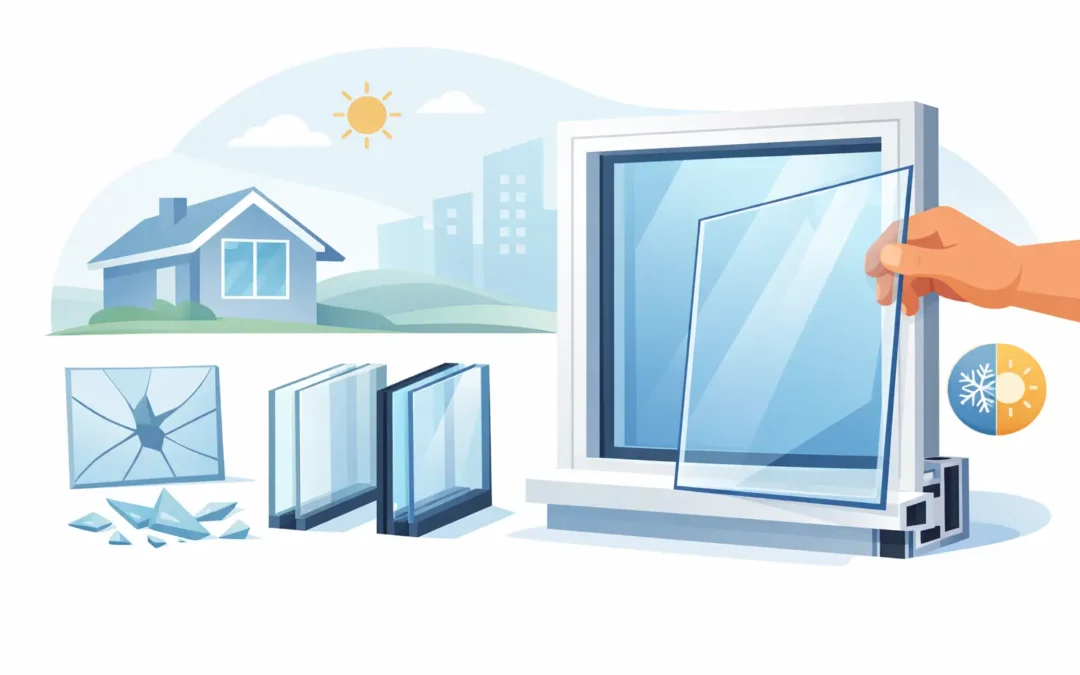
A fogged-up pane, a crack spreading from the corner, or a draft you can feel every time the weather turns – these are the moments most homeowners start looking into replacement glass for windows. The good news is that damaged or failed glass does not always mean replacing the entire window. In many cases, a glass-only repair is the simpler, more cost-effective option.
What matters is knowing when that approach makes sense and when it does not. If the frame is still in good condition, the hardware works properly, and the issue is limited to the glass unit, replacing the glass can restore appearance, comfort, and energy performance without turning the job into a full window project.
When replacement glass for windows is the right choice
The most common reason to replace glass is a failed insulated unit. If you have double-pane or triple-pane windows and you can see condensation, hazing, or moisture trapped between the panes, the seal has likely failed. Once that happens, the insulating performance drops and the glass often starts to look permanently cloudy.
Broken glass is another obvious case. A crack, chip, or impact break can affect both safety and security, even if the rest of the window looks fine. In older homes, you may also have panes that are not technically broken but are no longer doing the job well. If rooms feel too hot in summer, too cold in winter, or outside noise seems to come straight through the glass, an upgrade can make a noticeable difference.
Glass replacement can also be worth considering when you want to improve privacy or update the look of the window. Frosted or patterned glass is often used in bathrooms, entry areas, and side windows where you want light without giving up privacy.
When full window replacement may be better
Glass-only replacement is not always the best answer. If the frame is warped, rotting, rusting, or no longer square, new glass will not solve the bigger problem. The same applies if locks, hinges, balances, or handles are failing across the whole unit and the window is generally near the end of its service life.
This is where honest advice matters. A good glazing company should not push a full replacement if the glass alone can be changed, but they also should not fit new glass into a window that is clearly failing in other ways. Sometimes the most affordable option upfront is not the most sensible one over the next five or ten years.
What types of replacement glass are available?
Not all window glass is the same, and the right choice depends on the room, the window style, and what you want the glass to do.
For most modern homes, insulated glass units are the standard. These are sealed units made from two or more panes with a spacer between them. They help reduce heat transfer and improve comfort indoors. If you are replacing failed double glazing, the new unit can often be made to match the size and style of the existing window.
Tempered glass is often used where safety matters, such as near doors, in low-level glazing, or in certain bathroom and patio locations. It is designed to break into smaller, less dangerous pieces. Laminated glass is another safety-focused option and can also help with sound reduction and security.
Low-E glass is a popular upgrade for energy efficiency. It has a thin coating that helps reflect heat, which can keep interiors more comfortable through changing seasons. Gas-filled insulated units are another option for improving thermal performance. If outside noise is a concern, acoustic glass may be worth discussing, especially for homes near busy roads or in built-up areas.
Then there is decorative and privacy glass. Frosted, obscure, tinted, or patterned finishes can all be used as part of a replacement, depending on the location and the look you want.
What affects the cost of replacement glass for windows?
Homeowners usually want a straight answer on price, but glass replacement is one of those jobs where the details matter. Size is a big factor. A small bathroom pane is a very different job from a large picture window or sliding door panel.
The type of glass also affects cost. Standard double-pane replacement will usually cost less than tempered, laminated, Low-E, acoustic, or custom-patterned glass. If the unit is an unusual shape, has grids between panes, or requires matching an existing style, that can add complexity as well.
Access matters too. A ground-floor window with clear working space is easier to handle than a second-story unit in a tight location. And if the frame or glazing beads are damaged during removal because of age or wear, extra repair work may be needed.
That is why no-pressure surveying is so useful. It gives you a clear idea of what actually needs doing instead of guessing from a photo or assuming the whole window has to go.
How the process usually works
For most glass replacement jobs, the first step is checking whether the frame and sash are suitable for reglazing. Measurements need to be exact. Even a small error can lead to poor fit, drafts, or stress on the unit.
Once the specification is confirmed, the replacement glass is ordered to size. On installation day, the old unit is carefully removed, the frame is cleaned and prepared, and the new glass is fitted and secured. The installer should also check that the window opens, closes, and seals properly once the work is complete.
For homeowners, the main thing to know is that this is usually a more contained job than full window replacement. There is less disruption, and if the surrounding frame is in good shape, the finished result can feel like a reset without the cost of a complete upgrade.
Can you replace window glass yourself?
Small single-pane repairs are one thing, but most modern replacement glass jobs are not ideal for DIY. Double-pane units are heavy, easy to damage, and often fitted in a way that requires proper tools and experience. There are also safety concerns, especially with larger windows, upper floors, and any glass that must meet code requirements.
The bigger issue is accuracy. Ordering the wrong unit, damaging trims or seals during removal, or fitting the glass incorrectly can leave you with leaks, poor insulation, or a window that does not operate as it should. In the end, many DIY attempts cost more because the job has to be redone.
A professional assessment also helps rule out the cases where the glass is not the only problem. That saves time and avoids paying for a repair that does not hold up.
Signs it is time to get your windows checked
Some problems are easy to spot, like cracks or visible condensation between panes. Others are more gradual. If a room always feels cooler than the rest of the house, your energy bills have crept up, or you notice more outside noise than usual, the glass may not be performing the way it should.
You might also see discoloration, difficulty cleaning what looks like dirt trapped inside the unit, or drafts around an otherwise solid-looking window. These are often signs that the insulated glass has failed or that the glazing system needs attention.
If you are unsure, it is worth having someone take a proper look. A straightforward inspection can tell you whether a glass replacement will do the job or whether a wider repair makes more sense.
Choosing the right company for the job
Glass replacement sounds simple, but the quality of the measuring, manufacturing, and installation all matter. You want a company that will explain your options clearly, not steer you toward a larger job just because it costs more.
Look for practical advice, clear pricing, and a team that is comfortable handling both repairs and full replacements. That usually means you will get a more honest recommendation. A company like Pearson Glazing, with experience across repairs, upgrades, and complete installations, can assess the window as a whole and recommend the fix that genuinely fits the problem.
It also helps when the process is straightforward. Home improvement decisions are easier when you are dealing with people who answer questions plainly, show up when they say they will, and focus on doing the job properly.
Replacement glass for windows is often the smart middle ground between living with a problem and replacing more than you need to. If the frame is sound, a well-matched new glass unit can improve comfort, appearance, and efficiency without making the project bigger than it has to be. The best next step is simply getting clear advice from someone who will tell you what is worth fixing and what is not.
Recent Comments