
by admin | Oct 10, 2026 | Uncategorized
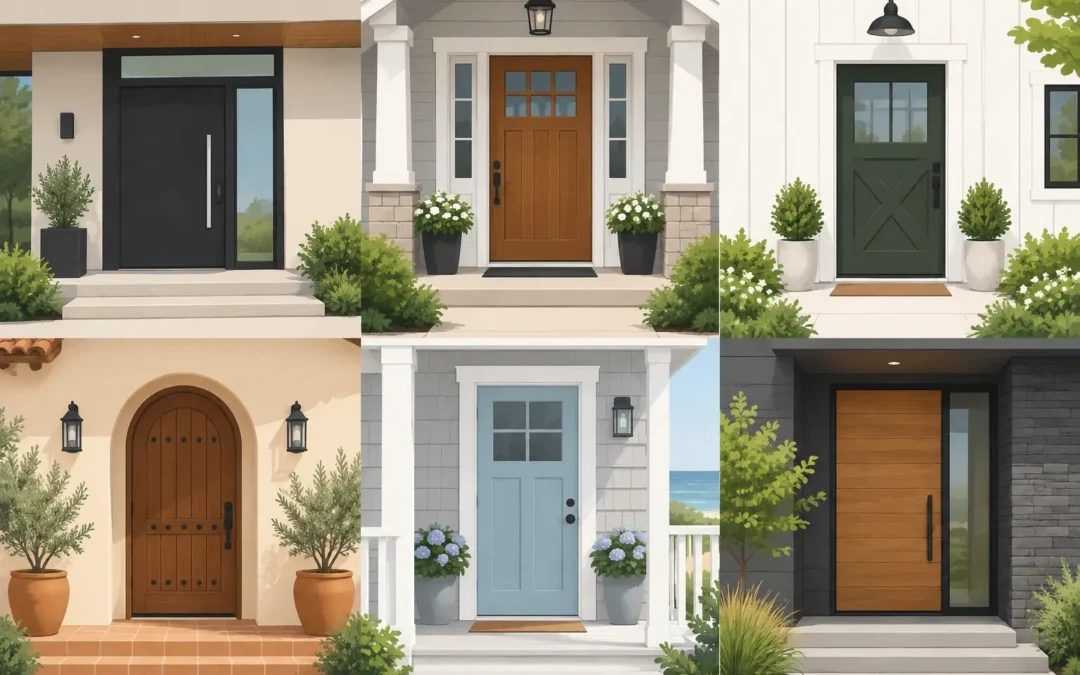
Your front door has a harder job than most parts of the house. It needs to welcome visitors, keep the weather out, help protect your property and look right from the pavement. With so many entrance door styles available, the best choice is rarely just about picking a colour you like. It is about finding a design, material and specification that suit your home and the way you use it.
A good replacement door should feel reassuring from the moment it closes. It should also be straightforward to live with: secure locks, smooth operation, sensible maintenance and a style that will not date quickly. Here is how to narrow down the options without being pushed towards a door that is not right for you.
Start with the character of your home
The entrance sets expectations for the rest of a property. A traditional Victorian terrace, a 1930s semi and a modern new-build can all carry a bold front door, but the details that make it work will be different.
Period homes often suit doors with familiar proportions: raised or recessed panels, glazed upper sections, fanlights and more traditional hardware. A heritage-style composite door can provide this look while offering the benefits of a modern insulated core and multi-point locking. If you are replacing an older timber door, this can be a practical way to retain character without taking on regular painting and repair work.
For a more contemporary property, clean lines usually work best. A slab-style door, a wide vertical glazed panel or a simple geometric design can give the entrance a sharper finish. Aluminium doors are particularly well suited to modern homes because their slim, strong frames allow for a crisp architectural look.
There are no fixed rules, though. Contrast can look excellent when it is deliberate. A deep-coloured contemporary door on a pale rendered house, for example, can create a strong focal point. The key is to consider the whole frontage, including window frames, brickwork, porch, path and exterior lighting.
Entrance door styles by material
The style of the door and the material it is made from go hand in hand. Each option has its own strengths, appearance and price point.
Composite doors
Composite doors are a popular choice for homeowners who want a solid, traditional-looking entrance with strong security and thermal performance. They are built from several materials rather than a single piece of timber or plastic, usually around an insulated core. This gives them a substantial feel and helps reduce heat loss.
They come in a wide range of panel designs, colours and glazing options, from cottage-style doors with decorative glass to simple, contemporary designs. Many finishes are made to resemble timber grain, so they can complement older properties particularly well.
The trade-off is that a composite door may cost more than a basic PVC-u option. It is also worth checking the exact specification rather than comparing doors by appearance alone. The quality of the slab, frame, hinges, locking system and installation all affect how the door performs over time.
PVC-u doors
PVC-u entrance doors remain a practical, cost-effective option. They are easy to maintain, resistant to everyday weather and available in many styles, including panelled, part-glazed and fully glazed designs. They can be a sensible replacement where budget is a major consideration or where you want the door to match existing PVC-u windows.
A white PVC-u door can suit many homes, but coloured and wood-effect finishes offer more choice than they once did. That said, a very ornate design can sometimes look less convincing in PVC-u than in composite or timber. For a straightforward, durable door with good everyday performance, it is still a reliable choice.
Aluminium doors
Aluminium entrance doors are known for their strength, contemporary appearance and long-lasting finish. They are ideal if you prefer a modern design, a bold colour or a larger door format. Their rigidity also makes them a strong option for wider openings and statement entrances.
Because aluminium is a premium material, it tends to sit at a higher price point. It may not be the natural first choice for every period property, either, although the right design can still work well. If you are updating a modern home in South East London or Kent, where clean-lined extensions and renovations are common, aluminium can create a particularly smart finish.
Timber doors
A well-made timber door has a warmth and depth that other materials aim to replicate. It can be the right choice for a listed building, a conservation area or a home where original features matter. Timber is also highly adaptable, allowing for bespoke sizes, mouldings and paint finishes.
It does, however, need more care. Exposure to rain, sun and changing temperatures means coatings need regular attention. If you want the look of wood without the maintenance commitment, a woodgrain composite door is often worth considering.
Choose glazing with privacy in mind
Glazing can make a dark hallway feel much brighter, especially in properties where the front door opens directly into a narrow entrance. A glazed panel, sidelights or a fanlight above the door can bring in useful daylight without leaving the home exposed.
The type of glass matters. Clear glazing suits a private driveway or a sheltered entrance, but patterned, obscure or decorative glass is usually a better fit where the door faces a busy street. It lets light through while limiting views into the property. Some homeowners choose a small clear section at eye level with obscured glass below, which balances visibility with privacy.
Think about safety as well as appearance. Door glass should be fitted with suitable safety glazing, and decorative units should be properly sealed to help prevent draughts or moisture between the panes. A survey is the right time to discuss sightlines, privacy and the amount of light you want inside.
Colour, furniture and small details
Colour has a bigger effect than many people expect. Black, anthracite grey and deep blue create a confident, classic finish and sit comfortably alongside modern and traditional properties. Greens can work beautifully with brick, stone and leafy front gardens. Brighter shades bring personality, but it is wise to consider whether you will still enjoy them in five or ten years.
Look at the fixed features around the door before deciding. A warm red brick frontage may suit a different shade from a pale render or yellow London stock brick. Matching the frame to the door creates a uniform look, while a contrasting frame can make the entrance more defined.
Hardware should not be an afterthought. Handles, letterplates, knockers and house numbers need to work together rather than compete. Chrome and satin finishes are often suited to contemporary doors; black, antique and traditional styles can better complement period designs. More importantly, handles and locks should feel secure and comfortable in daily use.
Do not compromise on security or fitting
A stylish door is only a good investment if it is correctly specified and professionally fitted. A high-quality cylinder lock, reinforced hinges, a secure frame and multi-point locking all contribute to the security of the entrance. The door should close cleanly, seal evenly and operate without force.
This is where measurement and installation make a real difference. An ill-fitting door can allow draughts, affect energy efficiency and cause problems with locking. It can also spoil the appearance of an otherwise attractive product. A proper survey should account for the condition of the opening, threshold height, existing brickwork and whether the frame needs replacing along with the door.
At Pearson Glazing, the focus is on helping homeowners make a practical choice, not steering them towards the most expensive option. A clear quote and a conversation about how the entrance is used will usually tell you far more than a brochure alone.
A door that works for daily life
Before settling on a design, picture the ordinary moments: coming home with shopping, letting the dog out, accepting parcels, cleaning muddy shoes from the hallway or locking up late at night. A low threshold may make access easier. A wider opening can be useful for pushchairs or mobility needs. A spyhole, door viewer or glazed panel may offer reassurance without needing to open the door.
The best entrance door styles are not simply the ones that look good in a showroom. They are the ones that suit your property, feel secure every day and give you a welcome return home each time you turn the key.
by admin | Oct 8, 2026 | Uncategorized
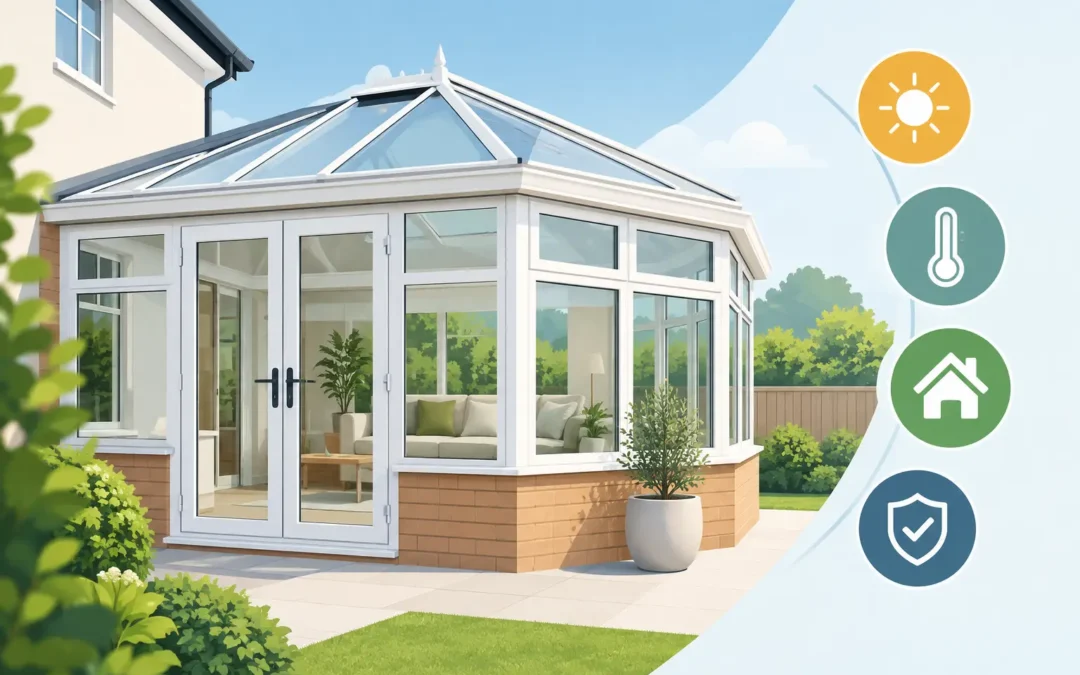
A conservatory that is too hot in July and too cold by November rarely gets used as it should. The best conservatory roof upgrades can change that, making the room more comfortable across the year while improving its appearance and reducing reliance on heating or blinds.
The right answer is not always the most expensive roof. It depends on your existing conservatory, how you use the space, the amount of natural light you want to keep and whether the frames and foundations are suitable for the additional weight. A proper survey should come before any decision, particularly on an older conservatory.
Why replace a conservatory roof?
Older polycarbonate and glass roofs can be the main reason a conservatory feels difficult to live with. Polycarbonate can amplify rain noise, allow heat to build up quickly and offer limited insulation. Older glazed roofs may be better for light, but can still lose heat if the glass or framework is outdated.
A replacement roof gives you the chance to address those problems without rebuilding the whole room. It can help create a more even temperature, reduce glare and noise, and give the conservatory a finish that sits more naturally with the rest of the house.
It is also worth checking the condition of the existing roof before assuming replacement is the only route. Failed sealed units, damaged panels, leaking flashings, worn vents or faulty roof hardware can sometimes be repaired. Straightforward advice matters here: a smaller repair may be all that is needed, while a full upgrade makes sense when the whole roof is underperforming.
The best conservatory roof upgrades to consider
A lightweight tiled roof
For many homeowners, a lightweight tiled roof is the biggest comfort-led upgrade. It replaces most or all of the glazed area with an insulated, solid roof and a tiled external finish. From outside, it can make a conservatory look less like an add-on and more like a considered part of the property.
Its main benefit is temperature control. A well-designed insulated roof can make the room feel warmer in winter and cooler in summer, while rain noise is considerably reduced. It can be a good choice for a conservatory used as a dining room, playroom, home office or everyday sitting area.
The trade-off is light. Even with glazed panels or roof windows included in the design, a solid roof will make the room darker than a fully glazed one. The roof is also heavier, so the existing frames, walls and base need to be assessed carefully. A reputable installer will not make assumptions about what your structure can carry.
A glass conservatory roof
A modern high-performance glass roof is often the best option where daylight is the priority. It keeps the open, bright quality people expect from a conservatory, but offers a substantial improvement over older glazing when specified correctly.
Solar-control glass can reduce excessive heat and glare, while self-cleaning coatings can help cut down on visible dirt. The glass type, tint, roof orientation and ventilation arrangement all affect the final result. A south-facing conservatory may benefit from stronger solar control than one facing north or east.
Glass roofs are not as insulating as a properly specified solid roof, and they can still let in more external noise. However, for a space that overlooks the garden or is already shaded for part of the day, the gain in light can outweigh those compromises. This is usually the most balanced option for homeowners who want to retain a traditional conservatory feel.
A hybrid roof with glazed panels
A hybrid design combines a solid insulated roof with strategically placed glass panels or roof windows. It is a practical middle ground for homeowners who want better insulation but do not want the room to feel enclosed.
The solid sections help control heat loss and reduce overheating, while glazed areas bring daylight into the centre of the room. The layout needs careful thought. One large panel in the right place can work better than several smaller panels that create unnecessary glare or complicate the roof design.
This type of upgrade is particularly useful where the conservatory backs onto a darker kitchen or living room. Retaining light through the roof can help prevent the adjoining room from becoming noticeably dimmer after the work is complete.
Upgrading roof glazing and ventilation
If the existing structure is sound and you are not ready to replace the full roof, upgrading individual roof panels or sealed units may improve comfort at a lower cost. Modern glazing can offer improved thermal performance and solar control, especially compared with old or failed units.
Ventilation should be considered at the same time. Roof vents, opening windows and doors all help hot air escape. Without a sensible ventilation plan, even quality glass can leave a sunny conservatory feeling uncomfortable on the warmest days.
This approach will not transform a poorly insulated polycarbonate roof into a year-round room, but it can be a worthwhile, proportionate improvement for a conservatory used mainly in spring and summer.
What to check before choosing a new roof
The best upgrade starts with the conservatory itself, not a brochure. Age, frame condition, wall construction, base stability and the connection to the main house all influence what can be fitted safely. Water ingress, movement in the frames or signs of a failing base should be dealt with before a new roof is installed.
Think honestly about how you want to use the room. If it is a bright place to enjoy breakfast and look out over the garden, glass may be the natural choice. If you want to work there through winter or use it as an extension of the lounge, an insulated tiled or hybrid roof could be better suited.
Also consider headroom. Some replacement systems can alter the internal ceiling line, so it is sensible to discuss this during the survey. The external appearance matters too, particularly if your home is in a conservation area or has planning restrictions.
Building regulations and permissions
Conservatory roof replacement can involve building regulations, particularly where the work changes the thermal performance or structure of the room. Requirements vary according to the existing conservatory and the proposed roof, so this should be checked before installation begins.
Planning permission is not always required, but there are exceptions. Listed buildings, conservation areas, unusual property layouts and previous extensions can all affect what is permitted. Clear advice at the outset prevents awkward surprises later.
A professional surveyor should explain what applies to your home, rather than offering a one-size-fits-all answer. At Pearson Glazing, this practical survey-led approach helps homeowners understand the options before committing to a project.
Do not overlook the finishing details
A new roof performs best when the surrounding details are in good order. Gutters, downpipes, flashings and seals need to manage rainwater properly. If the roofline is being changed, the junction with the house should be designed carefully to avoid future leaks.
Inside, consider lighting, blinds and heating early rather than treating them as afterthoughts. A solid or hybrid roof can accommodate downlights, but their position should be agreed before the ceiling is finished. For glazed roofs, fitted blinds may still be useful for privacy and managing bright low sun.
The installation itself should be planned around weather protection and access. A competent team will explain how the room will be kept secure during the work, what preparation is needed and how long the installation is likely to take. Clear expectations are more valuable than a rushed promise.
Choose the upgrade that suits your home
There is no single winner among conservatory roof upgrades. A tiled roof is often strongest for year-round comfort, a glass roof is hard to beat for daylight, and a hybrid roof can offer an effective balance of both. The best choice is the one that suits your structure, budget and the way you want to live in the room.
Start with a careful inspection and a straightforward conversation about what is realistic. A conservatory should be a room you choose to use, whether it is raining outside, bright sunshine is pouring in or the evenings start to turn cold.
by admin | Oct 6, 2026 | Uncategorized
The door between your home and garden has to work hard. It may be the route for muddy boots, summer barbecues, shopping bags and everyday ventilation, while also affecting how light, warm and secure a room feels. When weighing up French doors versus patio doors, the best choice usually comes down to how you use the space around them – not simply which style looks best in a brochure.
Both can make a real improvement to a kitchen, dining room, conservatory or lounge. They offer good security, energy efficiency and attractive finishes when correctly specified and professionally fitted. The practical differences are in how they open, the view they create and the amount of clear access they provide.
French doors versus patio doors: the main difference
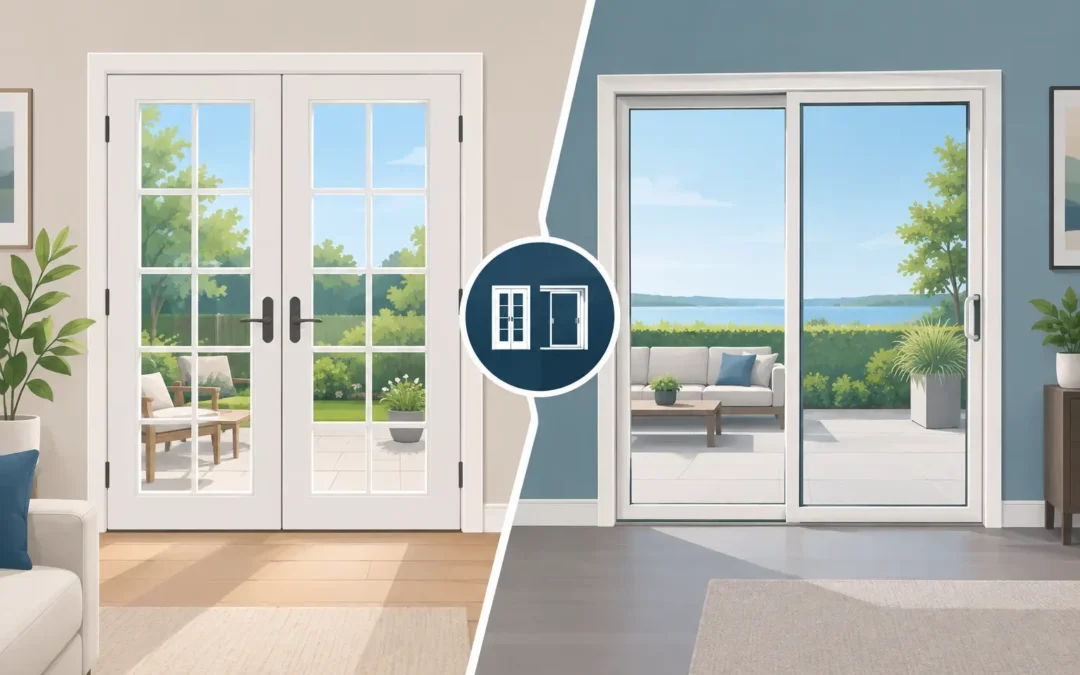
French doors are a pair of hinged doors that open outwards or inwards. One door is typically used day-to-day, while the second can be opened when you need a wider passage. With both doors open, there is no central fixed panel, giving you a clear opening to the garden.
Patio doors, often called sliding patio doors, move sideways along a track. One panel slides behind the other, so they do not take up extra room inside or outside the property. They usually have a fixed panel and a sliding panel, although wider configurations are available.
Neither design is automatically better. French doors are often chosen for their traditional character and open feel, while patio doors suit homeowners who want a broad glazed area without allowing for door swing.
Choose French doors for a wider, open connection
French doors are particularly effective where you want the garden to feel like an extension of the room. Open both leaves on a warm day and you have a generous, unobstructed route outside. This is useful for moving a table, pushchair or garden furniture through the doorway, and it can make a compact room feel more sociable during summer.
They also provide flexible ventilation. You can open one door slightly for fresh air, or open both fully when the weather allows. Depending on the layout, outward-opening doors can keep valuable floor space clear indoors. Inward-opening doors may suit a patio or pathway where external clearance is limited.
The trade-off is that hinged doors need space to open. A door leaf can interfere with furniture, a radiator, a dining table or the route through a narrow patio. Before choosing French doors, think about the swing on both sides of the threshold, including where people will stand when carrying items in and out.
French doors tend to suit period homes, traditional extensions and properties where symmetry matters. They can also work beautifully in more contemporary homes with slim frames, large glazed panels and a colour chosen to complement the windows.
When French doors make the most sense
French doors are a strong option if you value a full-width opening, have enough clear space for the doors to swing, and prefer a more classic appearance. They are also well suited to smaller openings where a sliding door would leave only half the overall width available for access.
Choose patio doors when space is tight
A patio door is often the more practical choice in a room where every centimetre matters. Because the moving panel slides rather than swings, you can position furniture closer to the doorway. It is a sensible solution for a compact dining area, conservatory or flat where an inward-opening door would feel intrusive.
Sliding doors can also create a wide view of the garden. Their larger panes and fewer opening lines may make them feel less visually busy than French doors, especially when closed. If your garden is a key feature of the room, that uninterrupted sightline can be a deciding factor.
A patio door is easy to use for everyday access. The sliding panel glides along its track, so there is no door leaf to catch in the wind or block a walkway. For households with children or pets, it can be helpful to open the door just enough for controlled ventilation rather than opening a full hinged leaf.
The compromise is the opening width. In a standard two-panel patio door, one panel remains fixed, meaning only around half the total width is open at any one time. That may be perfectly adequate for daily use, but it is worth considering if you regularly host guests or want a particularly open indoor-outdoor feel.
When patio doors are the better fit
Patio doors are a good choice where furniture layout is tight, the garden path runs close to the property, or you want larger glazed panels and a broad garden view. They are also an appealing option for modern extensions and contemporary homes where clean horizontal lines suit the overall design.
Light, views and how the room feels
Both options bring natural light into the home, but they create a different effect. French doors have a meeting point in the middle, so the view is divided when the doors are shut. Modern designs can keep this fairly slim, but it remains part of the look.
Patio doors have vertical frame lines too, yet the larger panes often give a more expansive glazed appearance. This can be especially useful when replacing older, smaller doors that make a room feel enclosed.
The surrounding glass matters as much as the door style. Side panels can increase daylight, while the size and orientation of the opening will influence how much sun the room receives. A survey is the right time to discuss sightlines, frame colour, glazing options and whether the existing opening could be altered to achieve the result you want.
Security and energy efficiency should not be an afterthought
A well-made, correctly fitted French door or patio door should offer reliable security and thermal performance. Look beyond the basic style and ask about the locking system, reinforced frames, toughened safety glass where required, weather seals and the quality of the installation.
French doors are usually secured with multi-point locking and a secure central meeting point when both leaves are closed. Patio doors use locking systems designed for their sliding mechanism and should sit correctly within the frame so they move smoothly and lock firmly.
Energy efficiency depends on the whole installation, not just the glass. Double glazing, low-emissivity coatings, draught-resistant seals and a properly finished frame all help retain warmth. Poor fitting can undermine a good product, causing draughts, difficulty operating the door and gaps around the frame. That is why accurate measuring and a careful survey are worth far more than a rushed, headline-price quote.
Think about thresholds and everyday access
The threshold deserves proper attention, particularly if someone in the household has limited mobility or you are planning for the future. A lower threshold can make the transition between home and garden easier, although the best option depends on drainage, floor levels and the type of door being installed.
Also consider the track on a patio door. It should be easy to keep clean and free from grit, leaves and debris so the panel continues to slide properly. French doors have no sliding track, but hinges and handles still benefit from occasional checks and maintenance.
For homes in South East London and Kent, external exposure can vary greatly. A sheltered courtyard has different demands from a garden that catches driving rain and wind. The right drainage detail, opening direction and weather sealing should reflect the property rather than follow a one-size-fits-all approach.
Making the decision without the sales pressure
Start with the opening itself. Measure the available width, note where furniture sits, and picture how you use the door on an ordinary weekday as well as when friends are round. French doors may give you the open, welcoming connection you want; patio doors may solve a space problem that becomes obvious only once you live with the room.
It is also worth choosing a company that takes time to survey the property rather than pushing a standard answer. At Pearson Glazing, the practical details matter: how the door will open, how the threshold will work, and how the finished installation will look from both inside and out.
A new garden door should make everyday life easier, whether that means sliding it open for morning air or throwing both doors wide for a family lunch outside. Choose the style that fits your room, your routine and your home – then let a proper survey turn that choice into an installation you can rely on.
by admin | Oct 4, 2026 | Uncategorized
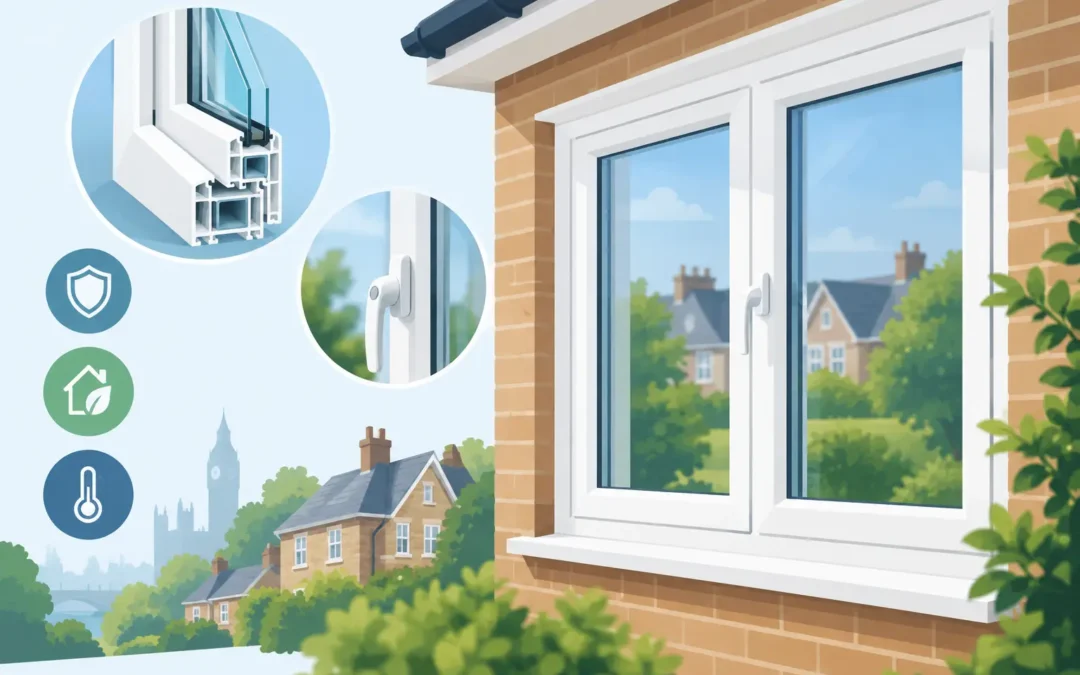
A window can look excellent in a showroom and still disappoint once it is fitted. Draughts around the frame, awkward handles, poor finishing and a room that remains cold are usually not problems with the idea of uPVC itself. They are signs that the specification, survey or installation has not been given enough attention. This uPVC windows review guide focuses on the details that make the difference once your new windows are part of everyday life.
Start with what your home needs
There is no single “best” uPVC window for every property. A ground-floor bay facing a busy road needs different things from an upstairs bathroom window or a rear extension that catches the afternoon sun. Before comparing brochures or quotations, think about the problem you want the new windows to solve.
For many homeowners, it is a combination of warmth, noise reduction, security and tired-looking frames. You may also need easier ventilation, replacement windows that suit a period property, or glazing that makes a conservatory more comfortable through the year. Being clear about your priorities helps you avoid paying extra for features you are unlikely to value, while making sure the essentials are not missed.
The style matters too. Casement windows remain a practical choice for many homes, while tilt-and-turn windows can make ventilation and cleaning easier. Sliding sash-style windows can preserve a traditional appearance without the maintenance associated with old timber. The right choice should suit the property as well as how you use each room.
How to read a uPVC windows review guide properly
Online reviews can be useful, but they need reading with a little care. A five-star comment about a polite sales visit tells you something about service, but not necessarily about the quality of the finished installation six months later. Look for reviews that mention the full process: quotation, survey, communication, fitting, cleanliness and how any small issues were handled.
Pay particular attention to detail. Did the installer arrive when expected? Were the fitters respectful of the home? Was the work explained clearly? Did the homeowner feel pressured into making a decision? These are often better indicators of the experience you can expect than broad statements such as “great company”.
It is also worth looking at how a business responds when something does not go perfectly. Window replacement is practical work on an existing building, and unexpected issues can occasionally appear once old frames are removed. A dependable company will explain the options, agree the next step and see the work through, rather than disappear after the payment has been made.
Ask what the review does not tell you
Most reviews will not state the glass specification, the locking system, the frame depth or whether the openings were properly measured. Use them to narrow down companies, then ask direct questions before accepting a quote. A straightforward installer should be happy to explain what is included and why it has been recommended.
A proper survey is especially valuable. Measurements taken at the first appointment may be useful for a guide price, but final sizes, opening arrangements and installation details should be checked carefully before the windows are ordered. At Pearson Glazing, fitters also act as surveyors, helping keep practical installation knowledge at the centre of the process.
Compare the frame, glass and hardware together
A uPVC window is a complete system, not simply a white frame with glass in it. The frame profile affects appearance, strength and the amount of visible glass. The sealed units affect warmth, sound and comfort. Hinges, handles and locks affect how the window feels every day and how well it protects the home.
Ask to see samples where possible. Open the window, try the handle and look at the corners and seals. A well-made unit should feel solid and close neatly without excessive force. If you are replacing several windows, check that the sightlines and handle finishes will look consistent across the property.
Colour choices are broader than they once were. White remains popular because it is clean, versatile and often the most cost-effective option. Anthracite grey, black, wood-effect finishes and coloured foils can give a more distinctive look, but they may increase the price and lead time. They can also be harder to match if only one window needs replacing in the future, so consider the whole elevation rather than choosing in isolation.
Energy efficiency is about more than the glass
Double glazing can make a noticeable difference to comfort, particularly where old single glazing or failing sealed units are being replaced. However, good thermal performance depends on the full window: the glazing, frame, seals, spacer bars and quality of fitting all play a part.
Ask for the energy rating and the stated performance of the proposed window, rather than assuming all double glazing performs equally. If a room is consistently cold, also consider the wider cause. Gaps around old frames, poor wall insulation, a draughty door or inadequate heating controls may be contributing. New windows can help greatly, but they cannot fix every source of heat loss on their own.
Triple glazing may be worth discussing for certain homes, especially where maximum thermal performance or noise reduction is the main goal. It is heavier and generally costs more, though, and it is not automatically the best value for every opening. A good recommendation should reflect the room, the building and your budget rather than treat the highest specification as the only answer.
Do not overlook ventilation and condensation
Warmer, tighter windows change how air moves through a home. That is usually positive, but it makes sensible ventilation more important. Trickle vents, opening sections and everyday habits such as using extractor fans all help manage moisture.
Condensation on the room-facing side of the glass is often linked to humidity inside the property, particularly in kitchens, bathrooms and bedrooms. It does not always mean the new window is faulty. On the other hand, misting between panes is a sign that a sealed unit has failed and should be investigated.
Discuss ventilation early, especially if your home has suffered from condensation or mould. The aim is a comfortable home that holds heat well without feeling stale or damp. There is a balance to strike, and the right approach varies between properties.
Security should be practical, not just a sales phrase
Modern uPVC windows can offer strong everyday security when they are properly specified and fitted. Look for secure locking points, durable hinges, quality handles and glazing fitted correctly within the frame. Ground-floor and easily accessible windows deserve particular attention, but secure hardware matters throughout the house.
Ask how each opening locks and whether there are child-safety or restricted-opening options where needed. A bathroom or upper-floor bedroom may need a different arrangement from a living-room window that opens onto a garden. Security should work alongside safe escape routes and practical ventilation, not against them.
Judge the quote by what is included
The cheapest quote is not always the lowest-cost choice once work begins. A clear quotation should set out the window style, colour, glazing, hardware, number of openings and fitting work included. It should also explain whether old frames will be removed and disposed of, how internal and external finishing will be handled, and whether any making-good is included.
Be cautious with vague descriptions such as “supply and fit windows” if there is no detail behind them. Two quotes that appear similar can differ significantly in glass, hardware, installation standards and aftercare. Ask for clarification before committing, not when the fitters are already at the door.
No-pressure advice is valuable here. You should have time to compare options, ask questions and decide whether a repair, replacement sealed unit or full window replacement is the sensible route. Not every issue requires a complete new frame.
The fitting day matters as much as the product
Even a high-quality window can underperform if it is poorly installed. Good fitting starts with protecting the work area and removing old frames carefully. The new units should sit squarely in the openings, be fixed securely and sealed properly, with neat finishing inside and out.
Before the team leaves, check that every opener works, handles lock correctly and the windows are clean and undamaged. Ask for a simple demonstration if anything is unfamiliar. It is much easier to raise a query while the installation is fresh than to live with a concern because you were unsure whether it was normal.
The best choice is usually not the window with the longest list of features. It is the one that suits your home, is clearly specified, fitted with care and supported by people who will answer the phone if you need them. Take your time with the survey and quotation, and you will be far more likely to enjoy the result for years to come.
by admin | Oct 2, 2026 | Uncategorized
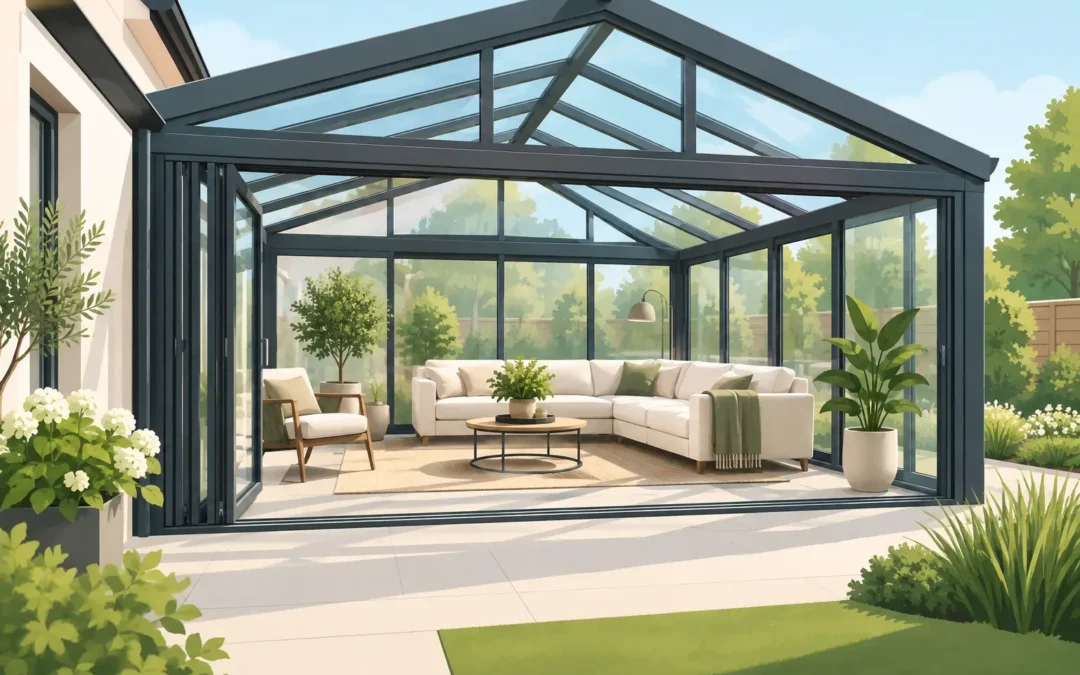
A conservatory no longer has to be the room that feels too hot by lunchtime and too cold once autumn arrives. The best modern conservatory design trends are less about making a statement and more about creating a comfortable, useful part of the home – somewhere to eat, work, relax or spend time with family in every season.
For homeowners in South East London and Kent, that usually means looking beyond the basic shape of the conservatory. The roof, glass, ventilation, doors and connection to the house all matter. A well-planned design can bring in plenty of daylight without leaving you reliant on blinds, fans or extra heating.
Modern conservatory design trends: build for everyday living
The biggest shift is towards conservatories that feel like proper extensions rather than separate garden rooms. Homeowners want a space that works with the kitchen, dining area or lounge, both visually and practically.
This does not always mean building the largest possible conservatory. A smaller design with sensible proportions, good glazing and a clear use can be far more successful than a large room with no furniture layout or thermal plan. Think about how people will move through it, where the dining table will sit, whether you need space for children to play, and how the room will feel after dark.
Contemporary designs tend to use clean lines, larger glazed areas and fewer unnecessary decorative features. That suits newer homes particularly well, but it can also work beautifully on period properties when the frame colour, roof style and detailing are chosen with care.
A stronger visual link to the house and garden
Wide openings are a key part of the extension-style look. French doors remain a practical choice for many homes, while sliding patio doors and bi-fold doors can create a broader opening onto the garden. The right option depends on the available wall space, the layout of the patio and how you use the room.
Bi-fold doors can make a real impact when opened fully, but they need room for the panels to stack and a clear route outside. Sliding doors generally keep a larger area of glass in place and can suit tighter spaces. There is no single best choice – the aim is to make the transition between house, conservatory and garden feel natural.
Warm roofs remain a popular practical upgrade
A tiled or insulated warm roof is one of the most significant trends because it tackles a familiar conservatory problem: uneven temperatures. Compared with a fully glazed roof, a warm roof can reduce glare and solar gain in summer while helping retain warmth in colder months.
It also changes the character of the room. A plastered internal ceiling, spotlights and insulation can make a conservatory feel much closer to the rest of the house. This is especially appealing when the room is used as a dining area, home office or family space rather than occasional seating.
The trade-off is daylight. Replacing every section of a glazed roof with a solid one can make some rooms feel darker, particularly where the conservatory sits behind the house or faces north. Many homeowners choose a hybrid approach, combining an insulated roof with roof glazing or carefully positioned glass panels. This keeps the room bright while giving better control over comfort.
Roof lanterns and roof glazing add light where it counts
Roof lanterns are increasingly used in extension-style conservatories and orangeries. They draw daylight into the middle of the room, where side windows alone may not be enough, and create a more architectural finish than a standard glazed roof.
Their suitability depends on the roof design, ceiling height and orientation. A large lantern can be striking, but it may introduce extra solar gain if it is poorly specified or positioned. Quality glazing, ventilation and shading should be considered at the same time, not added later as an afterthought.
Slimmer frames and carefully chosen colours
White uPVC remains a sensible, affordable option and works well on many homes. However, homeowners are increasingly choosing coloured frames to make the conservatory feel more intentional and better matched to existing windows and doors.
Anthracite grey remains popular, particularly with aluminium frames and contemporary rear extensions. Black can create a crisp, more dramatic look, while softer greys, greens and heritage shades can sit well alongside brick, render or traditional properties. The best colour is usually one that relates to the house rather than one selected simply because it is fashionable.
Aluminium is valued for its slim sightlines and strength, making it a strong option for larger panes and wide door openings. uPVC offers excellent value and thermal performance, with a broad choice of finishes. The practical decision comes down to budget, span sizes, the desired appearance and how closely the new conservatory needs to match the rest of the property.
Glazing is doing more of the hard work
Modern conservatories depend on the specification of the glass as much as the frame. High-performance double glazing can help reduce heat loss, while solar-control glass can limit excess heat from strong sunshine. The most suitable glass will depend on the direction the conservatory faces and how exposed it is.
A south- or west-facing room may benefit from solar-control glazing and effective ventilation. In a shadier north-facing position, maximising available light may be the greater priority. East-facing conservatories can be pleasant for morning use but still need consideration if they are used as a home office, where screen glare can be frustrating.
Glass is only one part of the answer. Well-fitted frames, insulated sections and careful installation all contribute to comfort. It is worth discussing how the room is used before choosing a specification, rather than assuming the same glass will suit every elevation.
Ventilation and shading are part of the design
A conservatory should not rely on keeping doors open whenever the weather warms up. Opening roof vents, trickle ventilation and windows positioned to encourage airflow can make a marked difference. Where possible, allowing warm air to escape high up while cooler air enters lower down is a simple, effective principle.
Blinds still have a place, particularly for privacy and low evening sun, but they work best as part of a wider plan. Integral blinds, fitted roof blinds and external shading each offer different benefits. External shading can be particularly effective against solar heat before it reaches the glass, although it changes the external appearance and may not suit every property.
For rooms used all year, consider heating early in the design. Underfloor heating provides an uncluttered finish and gentle warmth, while radiators can be a straightforward option where the system can accommodate them. A professional survey helps identify what is realistic for the existing property.
A quieter, more natural interior palette
The interior trend is towards materials that make a glazed room feel grounded: pale timber, textured fabrics, warm neutral walls, stone-look floors and plenty of planting. These finishes soften the harder lines of glass and frames without competing with the garden view.
Large-format porcelain tiles are a popular choice because they are hard-wearing and easy to clean, especially where people come in from the garden. Timber or wood-effect flooring can bring warmth, but it should be chosen carefully for the likely changes in temperature and sunlight.
Furniture matters too. A conservatory with low, flexible seating may work well as a garden room, while a built-in bench or dining layout can make better use of a narrower footprint. Avoid filling the room before you know where sunlight falls at different times of day.
Improving an existing conservatory can be worthwhile
Not every project requires a complete replacement. If the frames and base are sound, a roof replacement, new glazing, replacement doors or updated hardware may make the room more comfortable and secure. This can be a practical route for homeowners who like the existing size and layout but no longer enjoy using the space.
That said, it is important to assess the whole structure. A new roof on failing frames, or replacement glass where the underlying seals and drainage need attention, may only postpone larger work. A straightforward survey should explain what is in good order, what needs attention and which options offer the best value.
Get the design decisions in the right order
Before settling on a style, start with the room’s purpose, orientation and connection to the house. Then consider roof type, glazing, ventilation, doors and finishes. Planning and building regulation requirements can vary depending on the design and whether the conservatory is separated from the main house, so these checks should be made before work starts.
A good installer will talk through these choices in plain English rather than pushing the most expensive option. At Pearson Glazing, the focus is on practical advice and a clear survey, so the finished conservatory suits the home and the way it is lived in.
The most successful conservatory is not the one with the most glass or the boldest frame colour. It is the room you still choose to sit in on a bright July afternoon and a cold January morning alike.

Recent Comments