
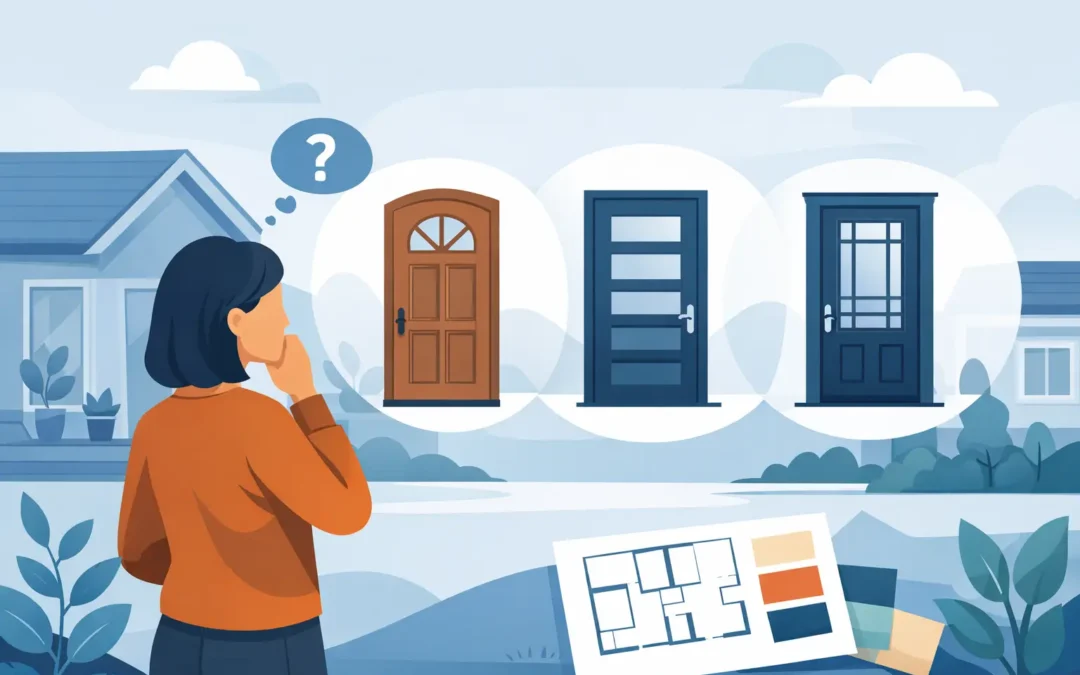
The right front door should do more than look good from the pavement. It needs to feel secure when you lock up at night, keep draughts at bay, suit the character of your property and stand up to everyday use. Knowing how to choose front doors becomes much easier when you start with how your household actually lives, rather than simply picking the first colour or style you like.
A front door is a long-term home improvement decision. Taking a little time to compare materials, designs and installation details can help you choose one that looks right and performs well for years.
Start with what your home needs
Every property has different priorities. A busy family entrance may need a tough, low-maintenance door that copes with school bags, pets and constant opening and closing. A period terrace may call for a more traditional design, while a modern home may suit clean lines, larger glazed panels or a contemporary aluminium finish.
Think about the practical issues first. Is your current door cold around the edges? Does it stick, let in noise or feel less secure than it should? Are you trying to brighten a dark hallway? These answers will narrow your options far more effectively than choosing from a brochure alone.
It is also worth considering the whole entrance, not just the door leaf. The frame, threshold, side panels, letterplate, handles and glazing all affect the finished appearance, security and weather performance.
Choose a front door material that fits your priorities
For most homeowners, the decision comes down to uPVC, composite or aluminium. Each has a place, and the best choice depends on your budget, the style of your home and the level of performance you want.
uPVC front doors
uPVC doors remain a practical and cost-effective option. They are easy to look after, available in a wide choice of styles and colours, and can offer a noticeable improvement over an older, poorly fitting door. They are often a sensible choice for homeowners who want reliability without stretching the budget.
The quality of the door and installation matters here. A well-made uPVC door with a properly fitted frame will feel very different to a basic replacement. Ask about the locking system, reinforcement, glazing specification and how the threshold will be finished.
Composite front doors
Composite doors are popular because they combine a solid feel with strong insulation and flexible styling. Their layered construction usually gives them greater weight and a more substantial appearance than standard uPVC doors. They can work equally well on traditional and newer properties, with options ranging from classic panelled designs to simpler modern styles.
They tend to cost more than uPVC, but many homeowners feel the extra investment is worthwhile for the appearance, security and thermal performance. As with any door, the specification matters. Two composite doors can look similar at first glance but differ in their core, hardware, glazing and overall finish.
Aluminium front doors
Aluminium is often chosen for a contemporary look, slim sightlines and a premium finish. It is particularly effective on modern homes or where a wider entrance, bold colour or more architectural design is wanted. Aluminium is strong and stable, which can be useful for larger door designs and glazed sections.
It is usually the higher-cost route, so it may not be necessary for every home. However, if design is a major priority and you want a crisp, durable finish, it is worth considering alongside composite options.
Put security before decorative extras
A smart handle or patterned glass can complete the look, but security should be built into the decision from the start. Look at the locking system, hinges, cylinder, frame construction and how securely any glass is installed. A strong door is only as good as the components around it.
Ask your installer to explain the security features in plain language. You should know what type of lock is being supplied, whether the cylinder offers protection against common methods of attack and whether the door meets relevant security standards. This is not about being alarmist. It is about feeling confident that the entrance to your home has been specified properly.
If you are replacing a door on a flat or shared entrance, check any building requirements before ordering. Homes in conservation areas or listed properties may also need additional thought, particularly where the appearance of the existing door is part of the building’s character.
Consider warmth, draughts and noise
Your front door can affect how comfortable the hallway feels, especially if the existing one has gaps around the frame or a worn threshold. A modern replacement door should close cleanly against weather seals and help reduce heat loss and draughts.
Do not judge energy performance by material alone. The door, frame, glass and installation all contribute. A glazed panel can bring valuable daylight into a dark entrance, but the glass should be suitable for the position and properly sealed. If privacy is a concern, obscure or decorative glazing can let in light without putting your hallway on display.
For properties on busy roads in South East London or Kent, sound can be another consideration. A well-fitted door with quality seals may help reduce everyday traffic noise, although no front door can remove every outside sound. Discuss this early if it is one of your main concerns.
Get the style and colour right for the property
A front door is one of the first things visitors see, so kerb appeal matters. The aim is not to copy a trend that may date quickly. Choose a design that feels at home with the windows, brickwork, porch and surrounding homes.
Traditional properties often suit panelled doors, heritage-inspired colours and decorative glass. A simple door in black, deep blue, green or a wood-effect finish can work well without looking overdone. Modern properties can carry bolder colours, flush designs, long handles and contemporary glazing more easily.
Before deciding, look at the door in natural daylight and view colour samples against the outside of your home. Colours can appear very different on a small sample compared with a full door, particularly on north-facing entrances. Also consider how the hardware will sit with the chosen finish. Chrome, black and antique-style fittings each create a different effect.
Think carefully about glazing and privacy
Glazing can make a narrow or dark hallway feel far more welcoming. A small glazed panel, fanlight or matching side panel may be enough to transform the entrance without losing privacy. The right amount depends on where the door faces and how close the pavement or neighbouring homes are.
Clear glass offers the most light but is not always comfortable at street level. Frosted, textured or patterned glass provides more privacy while still allowing daylight through. If security is a priority, make sure the glazing is toughened or laminated where appropriate and fitted as part of a secure door system.
Side panels deserve particular attention. They can create an impressive entrance, but a large glazed area changes the balance of privacy, heat retention and security. There is no one right answer – it depends on the layout of your home and the look you want to achieve.
Do not overlook measurements and fitting
Even the best front door will disappoint if it is poorly measured or installed. Old properties can have uneven openings, worn brickwork, awkward thresholds or frames that are not square. That is why a proper survey is essential before finalising the order.
A surveyor should check the opening, discuss the direction the door will open, assess the condition of surrounding areas and identify any finishing work needed. They should also talk through practical details such as access, the letterplate position, step height and whether the door needs to work with an alarm, porch or existing canopy.
At Pearson Glazing, fitters also carry out surveys, helping keep the advice practical from the first measurement through to installation. It is a straightforward approach that helps avoid surprises later on.
Compare quotes on specification, not just price
A low headline price may not tell you much about the door you are receiving. When comparing quotes, make sure you are looking at like-for-like specifications. Check the material and style, frame, glass, locks, handles, threshold, removal of the old door, making good and any warranty details.
You should feel comfortable asking questions without pressure. A clear quote and a calm explanation of the options are usually better signs than a time-limited offer designed to rush a decision. If something is unclear, ask for it to be confirmed before you agree to proceed.
The best front door is the one that suits your home, budget and daily routine, fitted properly by people who take the time to get the details right. Choose the design you will still enjoy coming home to, then make sure the performance behind it gives you equal peace of mind.
Recent Comments