
by admin | Sep 10, 2026 | Uncategorized
A window or door quote is a useful starting point, but it is not the final word on your project. Understanding how fitter surveys work can take much of the uncertainty out of replacing glazing. The survey makes sure the products ordered suit your property, the price reflects the work required, and your installation team arrives prepared.
At Pearson Glazing, we believe this should feel like practical advice, not another sales appointment. A fitter survey is about getting the details right before work begins.
What is a fitter survey?
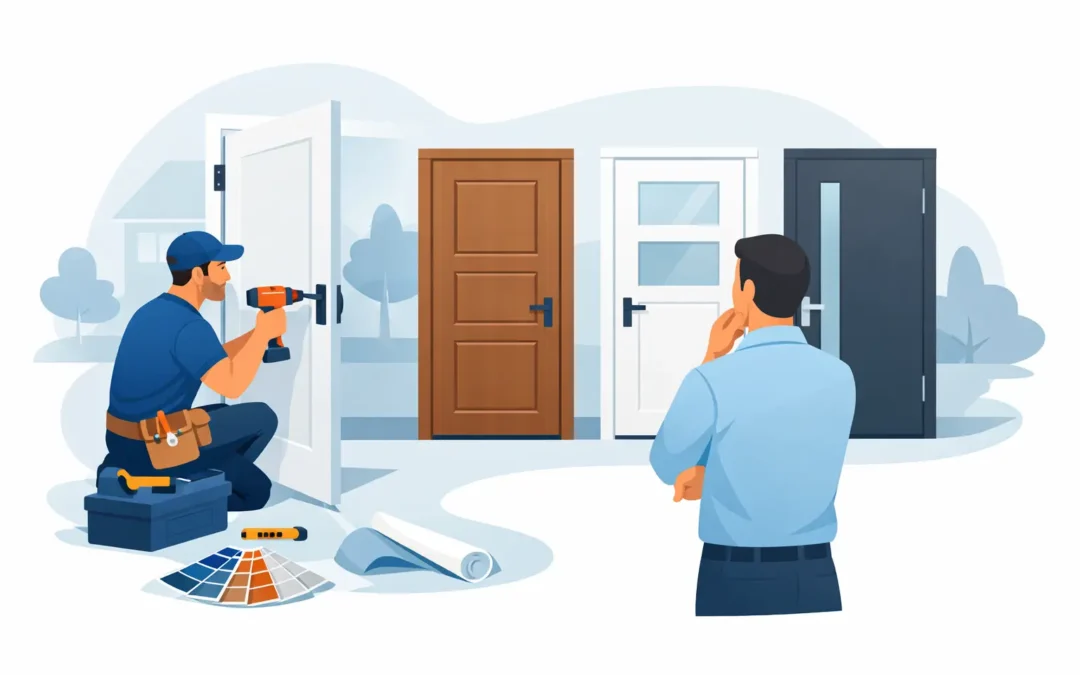
A fitter survey is a detailed inspection carried out after you have received an initial quotation and decided you would like to proceed. The person visiting is an experienced fitter, rather than a salesperson working from a script. They look at the existing windows, doors or conservatory, take precise measurements and identify anything that may affect the installation.
Most replacement glazing cannot be ordered accurately from broad measurements alone. Openings that look square can be slightly uneven, older properties can have unexpected construction details, and finishes such as internal trims or external cills need to be allowed for. The survey turns an outline proposal into a properly planned job.
It also gives you a chance to raise questions with someone who understands how the work will be carried out. If you are unsure about opening styles, glass options, handles, thresholds or ventilation, this is the right time to ask.
How fitter surveys work from quote to fitting
The process normally begins with your original quotation. This will be based on the products you have discussed, such as uPVC or aluminium windows, a composite front door, patio doors or replacement glass. It gives you a clear indication of the likely cost and the options available without pressuring you to make an immediate decision.
Once you choose to move ahead, the fitter survey is arranged. The visit is usually straightforward, but its findings matter because they confirm what can be supplied and installed safely, neatly and effectively.
Accurate measurements, not estimates
The fitter measures each opening carefully, often in more than one place. Width, height, diagonals and depth can all be relevant. They will assess the size of the frame required, the position of any cills and how the new unit will sit within the opening.
This is particularly important with bay windows, large glazed areas, bi-fold doors and older timber frames, where there may be more variation than first appears. Precise measurements help avoid delays, unsuitable products and unnecessary alterations on installation day.
The surveyor will also confirm practical details that affect the finished appearance. This may include the direction a window or door opens, the position of handles, the arrangement of panes or Georgian bars, and whether the selected colour and finish are correct. A small detail on paper can make a noticeable difference once the product is in place.
Checking the condition of the opening
A fitter survey is not only about measuring glass and frames. The surveyor checks the surrounding brickwork, render, lintels, internal reveals and existing frames. They are looking for signs that extra work may be needed, such as loose masonry, damaged timber, failed sealant or areas where a previous installation has been poorly finished.
This does not mean every older property presents a problem. Many installations are routine. However, finding an issue in advance is far better than discovering it halfway through the work. If remedial work is likely, it can be explained clearly so you understand the options, timescale and any effect on the agreed price.
Access is considered too. The team may need to know whether there is restricted parking, a narrow side passage, an upper-floor window or an awkwardly positioned conservatory. These details allow the installation to be planned safely and help keep disruption to a sensible minimum.
Confirming ventilation, safety and specification
Modern replacement windows and doors often need particular features to meet current requirements and suit the room. The fitter will check whether trickle vents are needed, where safety glass should be used and whether emergency escape considerations apply. They will also make sure the chosen doors and windows are appropriate for the opening and the way you use the space.
For example, a low-level window near a walkway may need toughened safety glass. A bathroom window may benefit from obscured glazing. A back door threshold needs to work for the people entering and leaving the property, including anyone with mobility needs. These are practical decisions, not extras added for the sake of it.
Energy efficiency is part of the conversation as well. The right glazing, frame and seals can help reduce draughts and make rooms more comfortable. However, the best option depends on the property, your budget and what you want the replacement to achieve. A survey is a good opportunity to balance performance, appearance and cost without guesswork.
What happens if the survey finds a difference?
In many cases, the survey confirms the original quotation and the job proceeds as expected. Sometimes the final measurements or site conditions show that a change is needed. Perhaps a door needs a different frame size, a cill needs extending, or a proposed configuration is not suitable for the opening.
When that happens, you should receive a clear explanation before products are ordered. A professional company will talk through the reason for the change and set out any revised cost or alternative solution. You should never feel pushed into accepting work you do not understand.
There can be trade-offs. Keeping an existing internal finish, for instance, may limit how a frame can be fitted. Choosing a larger glazed door can improve light and access but may require more structural consideration. The right answer is the one that works for your home and has been discussed openly.
Preparing for a survey visit
You do not need to do much preparation, but clear access makes the visit easier. Move ornaments and furniture away from the windows or doors where possible, and make sure the surveyor can see both the inside and outside of the opening. If you have noticed draughts, condensation, sticking locks or water ingress, mention it. These symptoms can help identify the underlying issue.
It is also helpful to have everyone involved in the decision present, if practical. That way, opening directions, colours, hardware and other visible choices can be agreed once rather than revisited later.
If you live in a flat, leasehold property or a conservation area, there may be additional permissions or appearance requirements to consider. Raise these early. The surveyor can advise on the physical installation, while you remain responsible for obtaining any permissions that apply to your property.
Why a fitter-led survey makes a difference
A survey carried out by someone who fits windows and doors every day brings an added level of practicality. They know what can affect removal, fitting, weatherproofing and finishing because they deal with those details on site. Rather than simply recording measurements, they can spot potential challenges and discuss sensible solutions in plain English.
This approach also helps separate useful advice from hard selling. The purpose is not to persuade you to add products you do not need. It is to make sure you receive the windows, doors or glazing repair that has been specified correctly and can be fitted to a good standard.
A well-planned survey cannot remove every surprise from work on an older home. Hidden issues only become visible once existing frames are removed. Even then, a careful survey reduces the likelihood of avoidable problems and gives the fitting team a much better starting point.
Questions worth asking during the survey
Ask what the fitting team expects to remove and replace, how internal and external finishes will be treated, and whether any repairs are likely to be needed. You can also ask how long the installation should take, what access the team will need and how waste will be handled.
For doors, confirm the threshold, locking arrangement and hinge or sliding direction. For windows, check the opening style, handle position, glazing pattern and ventilation. It is easier to confirm these choices before manufacturing than after installation.
The best survey leaves you feeling informed rather than overwhelmed. You should know what is being fitted, why it is suitable for your home and what will happen next. That clarity is a good sign that your project is being treated with the care it deserves.
by admin | Sep 8, 2026 | Uncategorized
A new front door has to do more than look smart on the day it is fitted. It needs to feel secure when you lock up at night, keep draughts at bay through winter and continue to suit your home years later. This composite door brands review looks at the UK names homeowners are most likely to encounter, and the differences worth paying attention to before you choose.
There is no single best brand for every property. A period terrace may call for a traditional panelled design and glazed fanlight, while a newer home may suit a cleaner, more contemporary door. Your budget, preferred colour, security requirements and the quality of the survey and installation all matter just as much as the badge on the door.
What a composite door brand really tells you
Composite doors are made from a combination of materials rather than a single slab of uPVC or timber. The exact make-up varies by manufacturer, but it commonly includes an insulating core, reinforced sections and a durable outer skin. This construction is why a well-specified composite door can offer a solid feel, good thermal performance and a wide choice of finishes.
A brand can tell you a great deal about the range of styles, colours, glazing and hardware available. It can also indicate the type of construction used and the guarantees offered. It cannot, however, make up for poor measuring, unsuitable specification or rushed fitting. The frame, threshold, hinges, locks and final adjustment are all part of the finished door.
For that reason, treat brochures and showroom displays as a starting point rather than the final answer. Ask to see the proposed design, glass and hardware together, and make sure the quotation states what is included.
Composite door brands review: five names to compare
Solidor
Solidor is widely known for its solid timber core doors and a broad range of traditional and modern styles. It is often a strong option for homeowners who want a substantial-feeling entrance door, particularly in heritage-inspired designs with decorative glazing, knockers and traditional furniture.
The attraction is the level of personalisation. There are many colour and hardware combinations, so it is easier to create a door that complements brickwork, windows and the character of the property. That choice can also make the decision slower. With so many options, it helps to narrow down the door style first, then choose the colour and furniture rather than trying to select everything at once.
Endurance
Endurance is another established name associated with solid-core composite doors. Its ranges tend to appeal to homeowners looking for a secure, weighty door with a choice of classic and contemporary designs. The brand offers several collections, which can make it useful where the house style sits somewhere between traditional and modern.
When comparing Endurance options, look beyond the outer design. Check the handle finish, letterplate position, glazing choice and whether sidelights or a top light are needed. These details have a major effect on how the entrance looks from both inside and outside. A carefully specified simpler design often looks better than a heavily customised door with competing features.
DoorCo
DoorCo supplies a wide range of composite door designs, including styles with a particularly contemporary feel. It is a brand worth considering if you are drawn to strong colours, flush-looking finishes or bolder glazing arrangements. There are also more familiar panelled designs for homeowners who want to update an older door without changing the appearance of the whole frontage.
As with any broad collection, construction and specification can differ between ranges. Do not assume every door has the same core, finish or hardware as the display model you have seen. A clear conversation about the exact slab, frame, lock and glass being quoted avoids confusion later.
Apeer
Apeer doors are often considered by homeowners seeking a premium, highly finished entrance door. Their product range includes distinctive designs and can be a good fit for properties where the front entrance is a central architectural feature rather than simply a practical replacement.
The trade-off is that a more premium specification may not be necessary for every home or budget. If you are replacing a draughty old door in a straightforward opening, the best value may come from choosing a well-made, sensibly specified door and putting equal care into the installation. Premium does not automatically mean the right choice – it should match the property and what you want from it.
Rockdoor
Rockdoor has a long-standing reputation in the composite door market and is known for doors designed with security and thermal performance in mind. Its styling includes popular traditional options, making it a sensible brand to investigate for homeowners who want a reassuringly solid front door without an overly modern look.
It is especially worth comparing if warmth and security sit at the top of your list. Even then, ask how the complete installation will work at your property. The condition of the opening, the threshold height and the need for any surrounding repairs can influence the result more than a headline performance figure.
How to compare doors without getting lost in brochures
Start with the practical questions. Do you need a front or back door? Is the entrance exposed to driving rain? Do you need more light in a dark hallway? Is your priority a low-maintenance replacement, a more traditional appearance, or a stronger sense of security? Your answers will quickly rule out designs that are attractive but unsuitable.
Then compare like for like. A price for a plain door with standard glass, basic furniture and a standard frame cannot fairly be compared with a fully glazed design, premium handles, matching sidelights and upgraded locking. Ask for a written breakdown that makes the specification easy to understand.
Security should be assessed as a complete system. Look at the lock cylinder, locking points, hinges, glazing and frame, and ask what recognised testing or certification applies to the proposed door. An experienced installer should also explain any limitations honestly. For example, an older or uneven opening may need remedial work before a new door can perform and look as it should.
Colour deserves more thought than many people expect. Anthracite grey and black remain popular, but they can make a shaded entrance feel darker. Lighter shades can brighten a narrow frontage, while heritage greens, blues and reds often work well on period homes. Always view a physical sample where possible, as colours can look very different in daylight from how they appear on a screen.
The installation matters as much as the brand
A composite door is only as good as its fit. Accurate surveying ensures consistent gaps, a smooth lock operation and a door that closes correctly. Proper installation helps prevent draughts, water ingress and the frustrating need to lift or push the door to engage the lock.
Before work begins, confirm who will survey the opening, who will fit the door and how any unexpected issues will be handled. It is also sensible to ask what happens to your old door, whether finishing trims are included and how aftercare is managed if an adjustment is needed after installation.
For homeowners in South East London and Kent, a local team that can survey, install and deal with repairs provides useful reassurance. You are not left trying to establish whether a problem lies with the product, the lock or the installation – there is a clear point of contact to help put it right.
Choose the door that suits your home
The most useful outcome from any composite door brands review is not a rigid winner. It is a clearer idea of the door that works for your entrance, budget and priorities. Choose a style you will still be happy to come home to, specify the security and glazing carefully, and give the survey and fitting the attention they deserve. A straightforward, well-managed installation is what turns a good door into a lasting improvement to your home.
by admin | Sep 6, 2026 | Uncategorized
A new front or back door changes more than the view from the pavement. It can stop draughts around the frame, make daily access easier and give you confidence that your home is properly secure. A Kent door installation should therefore start with the way you use your property, not with a quick sales pitch or a one-size-fits-all product.
The right choice depends on where the door sits, how exposed that elevation is to weather, the style of the house and the features that matter most to you. For some homeowners, that means a low-maintenance composite entrance door. For others, a patio slider or bi-fold door brings more daylight and a better connection to the garden.
Start with the job the door needs to do
Before comparing colours, glazing designs or handles, consider the practical role of the door. An entrance door has to provide security, weather protection and a welcoming first impression. A rear door may need to cope with regular trips to the garden, muddy shoes and pets. Doors opening onto a patio or conservatory need to maximise light without making the room feel cold in winter.
This is why a proper survey matters. Measurements are only one part of it. The fitter should look at the existing opening, the condition of the surrounding brickwork or render, threshold height, drainage and how the door will open in everyday use. A door that looks right in a brochure can be frustrating if it blocks a hallway, clashes with a radiator or creates an awkward step outside.
For homes in Kent and South East London, exposure can also vary greatly. A sheltered terrace may have different needs from a house on an open road or near the coast. A well-fitted door and correctly sealed frame are just as important as the door panel itself when it comes to keeping out wind and rain.
Choosing a door material without the hard sell
Each door type has a place. There is no single best option for every property, and a straightforward conversation about the trade-offs is far more useful than being pushed towards the most expensive choice.
Composite doors for strength and presence
Composite doors are a popular choice for front entrances because they are solid, secure and available in a wide range of traditional and contemporary styles. They can give the appearance of timber without the regular painting and upkeep associated with a wooden door. Decorative glass, side panels and colour choices make it easier to suit both period homes and newer builds.
They are often a worthwhile investment where security, insulation and kerb appeal are the priority. The final look, however, depends on careful fitting and sensible proportions. A very elaborate design can overwhelm a small frontage, while the wrong glazing choice may reduce privacy.
PVC-u doors for practical value
PVC-u doors remain a sensible, cost-effective choice for side and rear entrances. They are easy to maintain, provide good thermal performance and suit many homes, particularly where you want a straightforward replacement that performs well.
The style range is broader than many people expect, including coloured finishes and glazed designs. They may not offer the same weight or premium feel as a composite door, but they can be an excellent fit where durability and value are the main considerations.
Aluminium doors for slim sightlines
Aluminium is particularly suited to larger glazed openings. Its strength allows for slimmer frames, making it a strong option for modern extensions, garden rooms and wide patio doors. It is also highly durable and requires little maintenance.
The trade-off is usually cost. Aluminium can be more expensive than PVC-u, so it makes most sense where the cleaner lines and larger glass areas genuinely add value to the space. A survey can help establish whether the opening, layout and budget support that choice.
Patio, French or bi-fold doors?
Garden doors are often chosen for appearance alone, but the opening style makes a real difference to how a room works.
Sliding patio doors are a practical answer where furniture sits close to the opening or where you do not want door leaves taking up room inside or outside. Modern designs can provide generous glass areas and easy access to the garden. French doors create a classic, symmetrical look and offer a wide clear opening when both doors are open. They work particularly well on smaller extensions, conservatories and traditional properties.
Bi-fold doors fold back to open up a large section of wall. They are ideal when entertaining, moving between the kitchen and patio, or making an extension feel connected to the garden. When closed, though, they have more frame lines than a sliding door. If your main aim is an uninterrupted garden view, a patio door may be the better choice. The best option comes down to how often you will fully open the doors and what you want to see when they are shut.
What to expect from a Kent door installation
A reliable installation process should feel organised and clear from the outset. You should be able to discuss the product, receive a straightforward quotation and decide in your own time. There is no need for pressure tactics when the specification, price and fitting details are explained properly.
Once you choose a door, a detailed survey confirms the measurements and checks the installation requirements. This avoids unpleasant surprises later and ensures the door is ordered to suit the opening. At Pearson Glazing, fitters also carry out surveys, bringing practical installation knowledge into the process early rather than separating advice from the people who will do the work.
On fitting day, the old door and frame are removed with care. The installer prepares the opening, fits and secures the new frame, checks it is level and operates correctly, then seals around it to protect against draughts and water ingress. Locks, hinges, handles and glazing are checked before the job is finished.
There may be some dust and disruption, particularly if old frames are being removed or surrounding finishes need making good. A professional team will explain this beforehand, protect the immediate work area where possible and leave the site tidy. Ask what is included in the quotation, including removal of the old door, trims, glazing, hardware and any finishing work. Clear details are better than assumptions.
Security and energy efficiency are fitted, not merely bought
A door can have strong locks and insulated panels on paper, but its performance relies on the installation. Gaps around a poorly fitted frame can lead to cold spots, draughts and water penetration. A door that is not aligned correctly may stick, fail to latch smoothly or place unnecessary strain on the hinges and lock.
Good door installation also considers the threshold. It needs to provide a neat transition between inside and outside while helping to manage rainwater and access requirements. Depending on the property, a lower threshold may be useful for easier entry, but it must still be appropriate for the location and weather exposure.
For security, look beyond the appearance of the handle. Ask about the locking system, cylinder protection, hinge security and toughened safety glass where glazing is included. If you are replacing an older door, upgrading these elements can bring a noticeable improvement in day-to-day reassurance.
Small choices that make a door feel right
The finishing details affect how satisfied you will be over the years. A letterplate should be positioned sensibly for the internal layout. Glazed panels need to balance daylight with privacy. Hardware should feel comfortable in the hand, and the opening direction should suit the route through the home.
Colour is another practical choice as well as a design one. Darker finishes can look smart and suit many properties, while lighter colours can brighten a shaded entrance. Matching the door to window frames is often effective, but it is not a rule. A contrasting front door can give a home character when the style is considered.
If your existing door has started to catch, let in cold air or show signs of damaged glass, worn handles or a failing lock, replacement is not always the only answer. In some cases, a targeted repair or hardware upgrade may extend its useful life. Honest advice should distinguish between what can be repaired and what is more sensible to replace.
A well-chosen door should work quietly in the background: closing properly, keeping the weather out and making the home feel more secure every time you come back. Taking time to survey the opening, compare the right options and understand the fitting process is the simplest way to get there.
by admin | Sep 4, 2026 | Uncategorized
A window can look perfectly acceptable from the pavement while quietly making a room colder, noisier and less secure. So, when should double glazing be replaced? Usually, it is not simply about the age of the window. The right decision comes down to what has failed, whether it can be repaired properly, and whether the frame and fittings are still doing their job.
A misted pane does not always mean a whole new window is needed. Equally, repeatedly replacing small parts on a tired, draughty window can be false economy. A straightforward assessment should give you a clear answer without the hard sell.
When should double glazing be replaced?
Double glazing should be considered for replacement when the sealed units have failed alongside wider problems with the frames, opening mechanisms, locks or overall performance. If one part has worn out but the rest of the window is sound, a targeted repair or replacement glass unit may be the sensible option.
The useful question is not just, “Can this be fixed?” Almost anything can be patched up. It is, “Will the repair leave me with a reliable, secure and energy-efficient window?” If the answer is no, replacement is likely to offer better value over time.
Condensation between the panes
Moisture, mist or droplets inside the gap between two panes is one of the clearest signs of a failed double-glazed unit. The perimeter seal has broken down, allowing moisture into the cavity. Once this happens, the insulating performance is reduced and the glass can become permanently cloudy.
If the frame is in good condition, it may be possible to replace only the sealed glass unit. This is often a practical solution for uPVC, aluminium and timber windows where the hinges, handles, locks and frame remain sound. You do not necessarily need to replace an entire window because one pane has misted up.
However, if several units have failed, or the frames are warped, cracked or difficult to operate, a full replacement may be the more dependable choice.
Persistent draughts and cold rooms
A little cold around glass on a winter morning is not unusual. A noticeable draught from the edges of a closed window is different. You may feel it around the opening sash, hear rattling in windy weather, or find that one room never warms up as well as the others.
Draughts can be caused by worn seals, poorly adjusted hinges, damaged gaskets or a frame that has moved over time. These faults are sometimes repairable. Replacement should be considered where repairs will not restore a proper seal, or where old units and frames are consistently allowing heat to escape.
Pay attention to your heating habits as well. If you are regularly turning the thermostat up to compensate for cold spots near windows, your glazing may be contributing more to your bills than you realise.
Frames that are damaged or deteriorating
The condition of the frame matters just as much as the glass. Cracked uPVC, corroded aluminium, rotten timber and warped frames can all affect weather resistance, security and how smoothly a window opens and closes.
Some local damage can be repaired, particularly if it is caught early. But widespread deterioration is a strong reason to replace the window. A new sealed unit fitted into a compromised frame will not solve the underlying problem.
Look for discolouration, gaps at the joints, soft or crumbling timber, water marks around the inside of the reveal, and frames that visibly bow or sit unevenly. These are not purely cosmetic concerns. They can allow rainwater and cold air into the property.
Windows that will not open, close or lock properly
A window should shut firmly, lock securely and open safely when you need ventilation or an escape route. Stiff handles, dropped hinges and faulty mechanisms may be repairable with replacement parts or adjustment. In many cases, replacing a handle, lock or hinge is far more cost-effective than replacing the whole window.
The decision changes when the problem is part of a wider failure. For example, if the sash no longer lines up with the frame because the frame has distorted, fitting a new handle will not make the window secure. Windows that do not lock properly should be dealt with promptly, particularly on ground floors and easily accessible upper-floor windows.
Noticeably more outside noise
Double glazing can reduce outside noise, but it is not a complete sound barrier. If traffic, aircraft or neighbours seem much louder than they used to, check first for failed seals, gaps and poorly closing sashes. A repair may reduce the noise significantly.
Where your current windows are old, thin or poorly fitted, replacement can improve comfort. The right specification matters here. Different glass thicknesses, wider cavities and specialist acoustic glass can make a meaningful difference, especially for homes on busy roads in south east London and Kent. There is no benefit in paying for an upgrade that does not suit the noise issue you are trying to solve.
Repair, replacement glass or new windows?
There are three sensible routes, and each suits a different problem. A repair is usually appropriate for faulty handles, hinges, locks, letterplates, seals and minor adjustments. It preserves a sound existing window and deals with the specific fault.
Replacement glass is often suitable when condensation is trapped between the panes but the frame remains secure, stable and in good order. It can refresh the appearance and thermal performance of the window without the cost and disruption of changing the frame.
Full window replacement is more appropriate when problems are widespread. That may include multiple failed units, damaged frames, ongoing draughts, poor security, water ingress or windows that have reached the point where replacement parts are no longer a reliable answer. It can also be the right choice where you want to change the style, improve ventilation or upgrade the overall look of the property.
A proper survey should consider all of these factors rather than treating every misted pane as a new-window sale. The best outcome is the one that fixes the problem properly and makes financial sense.
How long does double glazing normally last?
There is no fixed expiry date for double glazing. Well-made, well-installed windows can perform well for many years, while exposure, maintenance, installation quality and the type of frame all influence their lifespan. Sealed units may fail before the frames do, which is why glass-only replacement is sometimes possible.
South-facing windows can experience more heat and UV exposure. Coastal or highly exposed properties may face harsher weather. Windows in kitchens and bathrooms also deal with more internal humidity. Age is useful context, but symptoms are more useful than a number on its own.
If your windows are around 15 to 20 years old and several issues are appearing at once, it is reasonable to investigate replacement. If they are the same age but still close neatly, lock well, remain draught-free and have clear units, there may be no reason to change them yet.
Do not confuse internal condensation with failed double glazing
Condensation on the room-facing side of the glass is commonly caused by moist air inside the home meeting a cold surface. Cooking, showering, drying clothes indoors and limited ventilation can all contribute. It does not automatically mean the double glazing has failed.
Condensation on the outside pane can also be normal. In fact, it can indicate that the glass is insulating well enough for the outer surface to stay cool. The key warning sign is moisture between the panes, where you cannot wipe it away from either side.
Before replacing windows because of internal condensation, consider ventilation. Using extractor fans, opening trickle vents where fitted, covering pans when cooking and allowing moisture to escape can make a real difference. If there are also draughts, mould around frames or water ingress, then the windows should be inspected as part of the picture.
What to expect from a replacement assessment
A useful glazing assessment should feel practical, not pressured. The person inspecting your windows should look at the glass, frames, seals, drainage channels, hinges, handles and locking points. They should also ask what you have noticed: cold rooms, noise, difficulty opening windows, security concerns or condensation.
Ask whether a repair is possible, whether the glass alone can be changed, and what will make replacement worthwhile in your particular case. Clear answers on the work required, likely disruption and price help you compare the options fairly.
Pearson Glazing takes this straightforward approach, with experienced fitters who also survey the work. That means the advice can focus on the condition of your existing glazing and the solution that is genuinely appropriate, whether that is a repair, replacement glass or a complete upgrade.
If a window is misted, draughty or no longer locking as it should, do not wait for the problem to become more expensive. A timely inspection can often show whether a small repair will keep it going or whether replacing the glazing will give your home the comfort and security it has been missing.
by admin | Sep 2, 2026 | Uncategorized
A window can look perfectly sound from inside the house while a worn lock, loose handle or damaged hinge leaves it far easier to force than it should be. Good window security is not about making your home feel like a fortress. It is about making sure every window closes properly, locks securely and gives an intruder no easy opportunity.
For many homeowners, the first sign of a problem is small: a key that sticks, a sash that drops when opened, a handle that turns too freely or a window that no longer sits squarely in its frame. These are worth dealing with promptly. Security depends on the whole window working together, not simply on whether there is a lock fitted.
Window security starts with the condition of the window
A modern window is a combination of glazing, frame, locking hardware, hinges and installation. If one part is failing, the security of the complete unit can be affected. A high-quality lock cannot do its job properly if the sash is misaligned, and toughened or laminated glass offers less reassurance if the frame is loose or the beading can be removed from outside.
Start by checking every accessible window, including those on upper floors that can be reached from a flat roof, extension or garage. Open and close each one. It should move without excessive force, sit evenly when shut and lock without needing to lift, push or pull it into position.
Look for visible gaps around the sash, cracked handles, missing keys, damaged seals and signs that the frame has moved. Timber, uPVC and aluminium windows all have different maintenance needs, but none should be ignored when their operation changes. Small adjustments and replacement parts can often restore a window’s performance without the cost of replacing the full unit.
The locks matter, but fitting matters too
Most current replacement windows use multi-point locking systems. When the handle is operated, several locking points engage around the sash rather than relying on one central catch. This makes it much harder to force the opening side of the window away from the frame.
Older windows may have simpler catches, separate locks or hardware that no longer meets current expectations. That does not automatically mean the windows must be replaced. In some cases, new handles, locking mechanisms or restrictors can provide a worthwhile improvement. The right option depends on the window style, its age and whether suitable replacement parts are available.
The key point is that locks need to engage fully. If a handle turns but the locking points do not line up, the window may appear locked when it is not properly secure. This is common where hinges have worn, the sash has dropped slightly or the frame has settled over time. A professional survey can identify whether the issue is adjustment, repair or replacement.
Keep keys secure, but accessible in an emergency
Where windows have key-operated handles, keep the keys somewhere safe and known to the household. Avoid leaving them permanently in the lock, particularly on ground-floor windows or beside a door. At the same time, make sure they can be found quickly if the window may be needed as an emergency escape route.
Bedroom windows are a good example of where security and safety need to be balanced. A window should not be left easy to open from outside, but occupants must be able to get out if there is a fire. If you are unsure whether your current arrangement is suitable, ask an experienced glazing professional to assess it rather than making assumptions.
Choose glazing for the location and risk
The glass itself is an important part of window security, especially on ground-floor windows, side access routes and areas hidden from the street. Standard double glazing provides a good everyday level of performance when combined with a secure frame and locks. However, some locations benefit from safety or security glass.
Toughened glass is designed to break into small, less dangerous pieces. It is commonly used where safety is a concern, such as in doors and low-level glazing. Laminated glass uses an interlayer that helps hold the pane together when broken. This can make forced entry more difficult and can be a sensible choice for vulnerable areas.
There is no need to specify the same glass throughout every property. A first-floor bathroom window that is difficult to reach may not need the same level of protection as a large rear window facing a secluded garden. A practical survey should consider access, visibility, the type of room and how the window is used, rather than pushing a one-size-fits-all upgrade.
Do not overlook hinges, restrictors and beading
Casement windows depend heavily on their hinges. Worn hinges can create a gap on the hinge side or prevent the sash from closing tightly against the seals. Aside from draughts and water ingress, this can affect the locking points and make the window easier to manipulate.
Restrictors are useful where a window needs to open for ventilation but should not open wide. They are particularly helpful in homes with young children, upper-floor rooms and windows near pathways or side access. A restrictor is not a substitute for a good lock, but it can limit how far the window opens when it is in use.
External beading also deserves attention. On many modern systems, the glazing beads are fitted internally to prevent the glass being removed from outside. If you have older windows with external beading, the condition and security of the beads should be checked. Loose, damaged or poorly fitted beads are a clear reason to arrange a repair or replacement assessment.
Everyday habits that support a secure home
Hardware and glass are only part of the picture. The way windows are used makes a real difference, particularly during warmer months when it is tempting to leave them open overnight or while popping out.
Keep ground-floor and easily accessible windows shut and locked whenever the property is empty. Do not leave keys in handles where they can be reached through a broken pane or opening. If ventilation is needed, use a lockable night-vent position where available, or fit suitable restrictors rather than leaving a window fully open.
Curtains, blinds and outdoor lighting can also reduce opportunity, but they should support physical security rather than replace it. A bright light may discourage someone from lingering around a side passage, yet it will not compensate for a window that does not lock properly.
It is also worth checking windows after decorators, builders or other trades have been working nearby. A window can be knocked out of adjustment, and handles or keys may be misplaced during larger home improvements. Taking five minutes to test them is far easier than finding a problem later.
When repair is enough and when replacement makes sense
Repair is often the sensible first step when a window is otherwise in good condition. Replacement handles, locks, hinges, sealed units and glass can address common faults and extend the life of an existing installation. This is especially useful where only one or two windows are causing concern.
Replacement may be the better long-term choice where frames are badly damaged, the locking system is obsolete, there is repeated water ingress or several parts are failing together. New uPVC or aluminium windows can improve security, warmth and everyday operation at the same time, but they should be chosen for the property and installed carefully. The best specification on paper will not perform as intended if the survey or fitting is poor.
A straightforward assessment should explain what has failed, what can be repaired and what the likely costs are before any work begins. At Pearson Glazing, that practical approach matters: the aim is to recommend the work your windows need, not to turn every faulty handle into a full-house sales pitch.
A sensible next step for safer windows
If a window feels loose, sticks when locking, has visible damage or simply has not been checked in years, arrange an inspection before the issue becomes more expensive. A secure home is usually built through ordinary details done properly – a correctly fitted sash, working hinges, suitable glazing and locks that engage every time.
by admin | Aug 31, 2026 | Uncategorized
A misted roof panel, a cracked side window or a conservatory that is unbearable on bright days can make you wonder: can you replace conservatory glass without replacing the whole room? In many cases, yes. Individual glass units can often be changed, giving the conservatory a safer, clearer and more comfortable finish without the cost and disruption of a full replacement.
The right answer depends on what has failed, the condition of the frames and roof structure, and what you want the room to do better afterwards. Replacing like for like is one option. Upgrading to more energy-efficient or solar-control glass may make a far bigger difference.
Can you replace conservatory glass without a new roof?
Usually, yes. Conservatory side windows, doors and many glazed roof panels are made with separate sealed units. If one unit has broken down or been damaged, a glazier can measure it and fit a replacement unit into the existing frame.
This is particularly common where condensation has appeared between the panes. That moisture is a sign that the edge seal on a double-glazed unit has failed. Cleaning the inside surface will not cure it, because the condensation is trapped within the unit. Replacing the glass is normally the practical repair, provided the frame itself remains sound.
A cracked pane can also be replaced on its own, although the type of glass matters. Conservatory roof glazing must meet safety requirements and is commonly toughened, laminated, or a specified combination of the two. It should never be treated as an ordinary window-glass replacement.
There are occasions when replacing a single unit is not the best route. If the roof bars are loose, seals have perished throughout, frames are warped, or several units have failed, a wider repair or roof upgrade may offer better value over time. A proper survey helps separate a straightforward glass issue from a problem with the surrounding structure.
When replacement glass is the sensible choice
Replacement conservatory glass works well when the issue is localised. One failed sealed unit does not automatically mean every window needs attention. Equally, a broken panel after accidental damage does not mean the entire conservatory has reached the end of its life.
It can also be a worthwhile upgrade where the existing conservatory is structurally sound but uncomfortable to use. Older units may offer little protection from summer glare or heat loss in colder weather. Modern glass can be specified to help reduce solar gain, improve insulation and cut down on the fading effect of strong sunlight on furniture and flooring.
Homeowners often choose replacement glass for one of these reasons:
- condensation or misting between panes
- cracked, chipped or shattered glass
- draughts caused by damaged units or worn seals
- excessive heat and glare in summer
- a cold conservatory during autumn and winter
- improved privacy, security or appearance
The best specification is not always the most expensive one. A room used mainly in spring and summer may benefit most from solar-control glass. A conservatory used as an everyday sitting or dining space may need a balance of thermal insulation, solar control and good natural light.
What type of conservatory glass can be fitted?
Replacement units need to suit the existing system as well as the room. The thickness, size, spacer bars, coatings and safety rating all affect whether a unit will fit correctly and perform as expected.
For side frames, modern double-glazed sealed units are often the starting point. Low-emissivity glass can help keep warmth inside, while warm-edge spacer bars can reduce cold spots around the perimeter of the glass. If privacy is needed, obscured glass may be suitable for an overlooked side elevation.
Roof glass needs more careful consideration. It is exposed to direct sunlight, wind, rain and falling debris, while also sitting above the people using the room. Specialist roof units can combine toughened outer glass with laminated inner glass. Should damage occur, laminated glass is designed to hold together rather than fall into the room.
Solar-control glass is a popular choice for glazed roofs. It can reduce the amount of solar energy entering the conservatory while still allowing useful daylight through. It will not turn a fully glazed, south-facing room into a shaded extension, but it can make a noticeable improvement when specified properly.
Tinted or self-cleaning options may also be available. These can be useful, but they have trade-offs. A darker tint may reduce glare and heat, yet it can make the room feel less bright on dull winter days. Self-cleaning coatings can help rainwater sheet away dirt, but they do not remove the need for sensible cleaning and maintenance.
Glass replacement versus a conservatory roof upgrade
Replacing failed units is often the most economical answer where the roof is in good condition. It preserves the existing appearance, avoids major building work and can restore the conservatory quickly.
However, glass replacement has limits. If the main problem is that the room is consistently too hot, too cold or too noisy, the performance of the entire roof system may be the issue. Old glazing bars, poor ventilation, worn seals and inadequate insulation around the base can all contribute.
A replacement glass roof can be a strong option when the original polycarbonate roof is noisy in rain or offers limited thermal performance. A tiled or solid roof may suit some properties better, particularly where year-round comfort is the priority. That is a more substantial project, though, and the existing conservatory foundations and frames need to be checked before any decision is made.
There is no benefit in being pushed towards a full roof replacement when one or two sealed units are all that is required. On the other hand, repeatedly replacing failed panels in an ageing roof can become false economy. The sensible approach is to assess the whole conservatory and explain the available options clearly.
How conservatory glass replacement is carried out
The process starts with an accurate inspection and survey. This is more than measuring the visible glass. A fitter needs to check the frame condition, bead type, drainage, seals and, for roof units, the compatibility of the glazing system. Conservatory glass is not a one-size-fits-all product.
Once the replacement unit has been specified, it is manufactured to the required size and safety standard. On installation day, the old unit is carefully removed, the frame and channels are checked and cleaned, and the new glass is fitted with the correct packers, gaskets and beads. The unit should sit squarely so that doors and opening windows continue to operate properly.
For roof glass, safe access is essential. Large panels are heavy and awkward to handle, particularly at height. Professional installation reduces the risk of damage to the roof structure, surrounding units and people below.
A reputable installer should also take away the old glass and leave the area tidy. It is a straightforward job in principle, but accuracy matters. Poorly fitted units can lead to leaks, draughts, rattling or premature seal failure.
Can you replace conservatory glass yourself?
Small side-window units may look tempting as a DIY job, but it is rarely as simple as removing a few beads and lifting out the old pane. Sealed units are heavy, edges can be sharp, and incorrect packers or glazing beads can affect how the window drains and operates.
Roof panels should be left to experienced installers. They require safe working at height, correct glass handling and a clear understanding of the particular roof system. Fitting the wrong thickness or safety specification could create a serious problem, even if the panel appears to fit.
DIY may be suitable for minor cleaning or replacing an accessible, non-structural trim where the manufacturer provides clear instructions. For replacement glazing itself, professional measuring and fitting usually prevents costly mistakes.
Signs that it is time to arrange an inspection
A visible crack is an obvious reason to act promptly, especially in a roof panel. Less obvious signs include misting between panes, water marks around glazing bars, persistent draughts, loose beads, cloudy patches or a window that has become difficult to open.
Do not assume every leak is caused by the glass. Water can enter through failed roof seals, blocked drainage channels, flashing or joints between the conservatory and the house. Replacing a perfectly sound glass unit will not solve those faults.
For homeowners in South East London and Kent, Pearson Glazing can assess failed conservatory units, damaged glazing and wider repair needs without the usual hard-sell approach. The aim should be a clear recommendation based on the condition of your conservatory, not a replacement bigger than the problem.
A conservatory should feel like part of your home, not a room you avoid when the weather changes. If the glass is damaged, misted or no longer doing its job, an informed survey can show whether a carefully specified replacement unit is all that is needed.






Recent Comments