
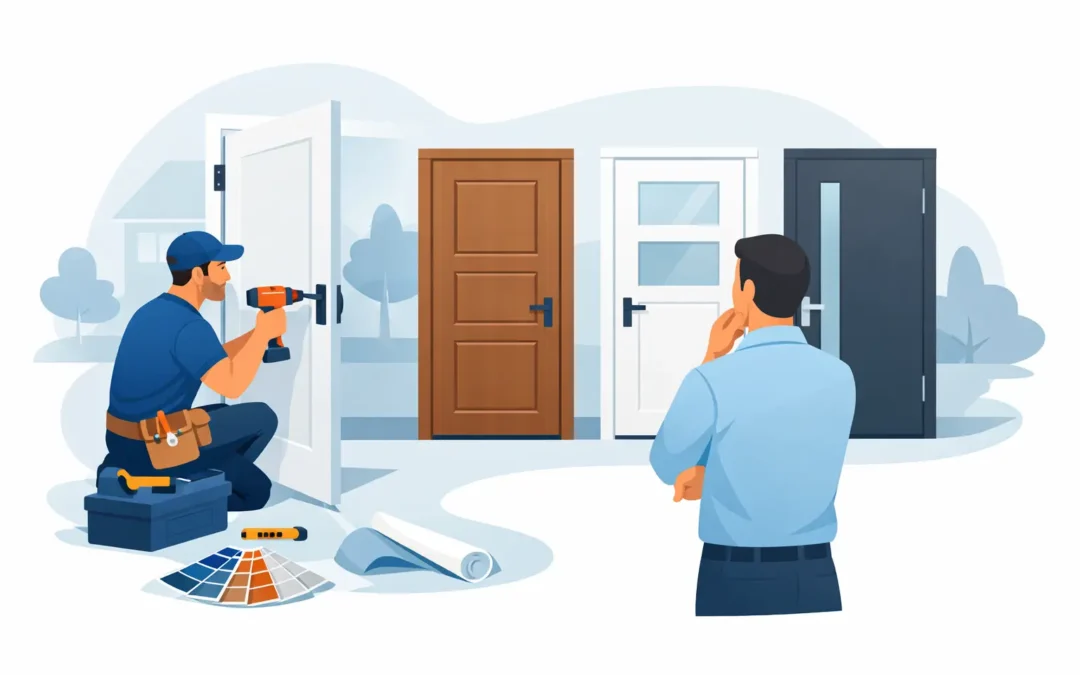
A new front or back door changes more than the view from the pavement. It can stop draughts around the frame, make daily access easier and give you confidence that your home is properly secure. A Kent door installation should therefore start with the way you use your property, not with a quick sales pitch or a one-size-fits-all product.
The right choice depends on where the door sits, how exposed that elevation is to weather, the style of the house and the features that matter most to you. For some homeowners, that means a low-maintenance composite entrance door. For others, a patio slider or bi-fold door brings more daylight and a better connection to the garden.
Start with the job the door needs to do
Before comparing colours, glazing designs or handles, consider the practical role of the door. An entrance door has to provide security, weather protection and a welcoming first impression. A rear door may need to cope with regular trips to the garden, muddy shoes and pets. Doors opening onto a patio or conservatory need to maximise light without making the room feel cold in winter.
This is why a proper survey matters. Measurements are only one part of it. The fitter should look at the existing opening, the condition of the surrounding brickwork or render, threshold height, drainage and how the door will open in everyday use. A door that looks right in a brochure can be frustrating if it blocks a hallway, clashes with a radiator or creates an awkward step outside.
For homes in Kent and South East London, exposure can also vary greatly. A sheltered terrace may have different needs from a house on an open road or near the coast. A well-fitted door and correctly sealed frame are just as important as the door panel itself when it comes to keeping out wind and rain.
Choosing a door material without the hard sell
Each door type has a place. There is no single best option for every property, and a straightforward conversation about the trade-offs is far more useful than being pushed towards the most expensive choice.
Composite doors for strength and presence
Composite doors are a popular choice for front entrances because they are solid, secure and available in a wide range of traditional and contemporary styles. They can give the appearance of timber without the regular painting and upkeep associated with a wooden door. Decorative glass, side panels and colour choices make it easier to suit both period homes and newer builds.
They are often a worthwhile investment where security, insulation and kerb appeal are the priority. The final look, however, depends on careful fitting and sensible proportions. A very elaborate design can overwhelm a small frontage, while the wrong glazing choice may reduce privacy.
PVC-u doors for practical value
PVC-u doors remain a sensible, cost-effective choice for side and rear entrances. They are easy to maintain, provide good thermal performance and suit many homes, particularly where you want a straightforward replacement that performs well.
The style range is broader than many people expect, including coloured finishes and glazed designs. They may not offer the same weight or premium feel as a composite door, but they can be an excellent fit where durability and value are the main considerations.
Aluminium doors for slim sightlines
Aluminium is particularly suited to larger glazed openings. Its strength allows for slimmer frames, making it a strong option for modern extensions, garden rooms and wide patio doors. It is also highly durable and requires little maintenance.
The trade-off is usually cost. Aluminium can be more expensive than PVC-u, so it makes most sense where the cleaner lines and larger glass areas genuinely add value to the space. A survey can help establish whether the opening, layout and budget support that choice.
Patio, French or bi-fold doors?
Garden doors are often chosen for appearance alone, but the opening style makes a real difference to how a room works.
Sliding patio doors are a practical answer where furniture sits close to the opening or where you do not want door leaves taking up room inside or outside. Modern designs can provide generous glass areas and easy access to the garden. French doors create a classic, symmetrical look and offer a wide clear opening when both doors are open. They work particularly well on smaller extensions, conservatories and traditional properties.
Bi-fold doors fold back to open up a large section of wall. They are ideal when entertaining, moving between the kitchen and patio, or making an extension feel connected to the garden. When closed, though, they have more frame lines than a sliding door. If your main aim is an uninterrupted garden view, a patio door may be the better choice. The best option comes down to how often you will fully open the doors and what you want to see when they are shut.
What to expect from a Kent door installation
A reliable installation process should feel organised and clear from the outset. You should be able to discuss the product, receive a straightforward quotation and decide in your own time. There is no need for pressure tactics when the specification, price and fitting details are explained properly.
Once you choose a door, a detailed survey confirms the measurements and checks the installation requirements. This avoids unpleasant surprises later and ensures the door is ordered to suit the opening. At Pearson Glazing, fitters also carry out surveys, bringing practical installation knowledge into the process early rather than separating advice from the people who will do the work.
On fitting day, the old door and frame are removed with care. The installer prepares the opening, fits and secures the new frame, checks it is level and operates correctly, then seals around it to protect against draughts and water ingress. Locks, hinges, handles and glazing are checked before the job is finished.
There may be some dust and disruption, particularly if old frames are being removed or surrounding finishes need making good. A professional team will explain this beforehand, protect the immediate work area where possible and leave the site tidy. Ask what is included in the quotation, including removal of the old door, trims, glazing, hardware and any finishing work. Clear details are better than assumptions.
Security and energy efficiency are fitted, not merely bought
A door can have strong locks and insulated panels on paper, but its performance relies on the installation. Gaps around a poorly fitted frame can lead to cold spots, draughts and water penetration. A door that is not aligned correctly may stick, fail to latch smoothly or place unnecessary strain on the hinges and lock.
Good door installation also considers the threshold. It needs to provide a neat transition between inside and outside while helping to manage rainwater and access requirements. Depending on the property, a lower threshold may be useful for easier entry, but it must still be appropriate for the location and weather exposure.
For security, look beyond the appearance of the handle. Ask about the locking system, cylinder protection, hinge security and toughened safety glass where glazing is included. If you are replacing an older door, upgrading these elements can bring a noticeable improvement in day-to-day reassurance.
Small choices that make a door feel right
The finishing details affect how satisfied you will be over the years. A letterplate should be positioned sensibly for the internal layout. Glazed panels need to balance daylight with privacy. Hardware should feel comfortable in the hand, and the opening direction should suit the route through the home.
Colour is another practical choice as well as a design one. Darker finishes can look smart and suit many properties, while lighter colours can brighten a shaded entrance. Matching the door to window frames is often effective, but it is not a rule. A contrasting front door can give a home character when the style is considered.
If your existing door has started to catch, let in cold air or show signs of damaged glass, worn handles or a failing lock, replacement is not always the only answer. In some cases, a targeted repair or hardware upgrade may extend its useful life. Honest advice should distinguish between what can be repaired and what is more sensible to replace.
A well-chosen door should work quietly in the background: closing properly, keeping the weather out and making the home feel more secure every time you come back. Taking time to survey the opening, compare the right options and understand the fitting process is the simplest way to get there.
Recent Comments