
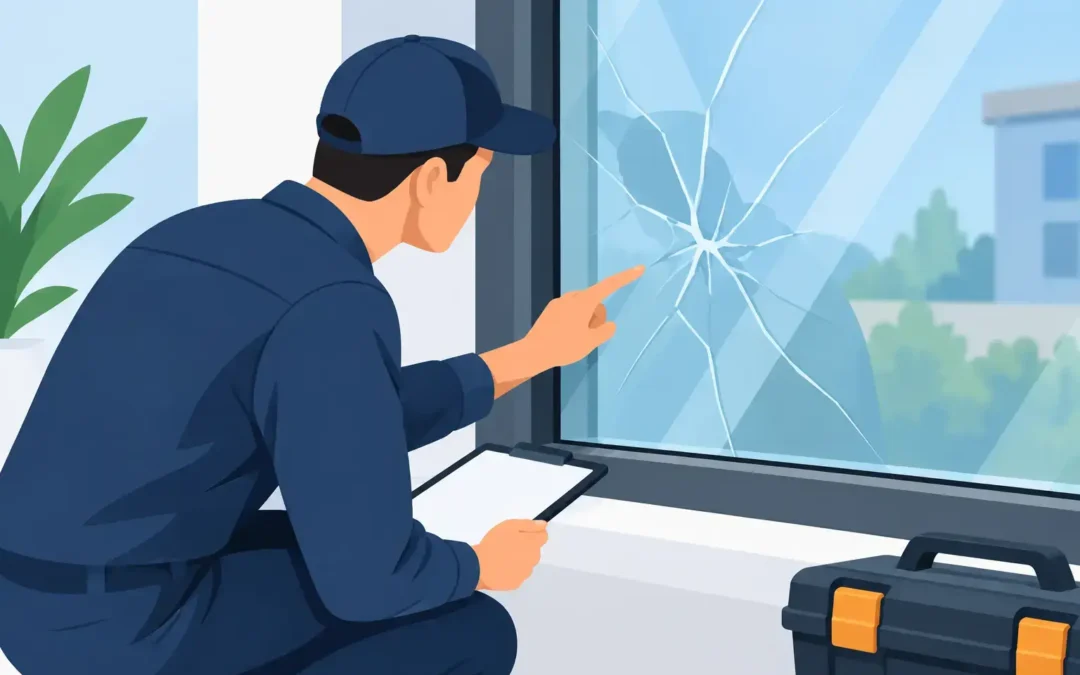
A failed glass replacement is frustrating, particularly when you have already paid to improve a window or door. You may notice cloudy marks between the panes, cold air around the frame, rattling glass or water appearing where it should not. The good news is that many glazing faults can be dealt with by replacing the sealed unit rather than the whole window.
The key is working out whether the problem is with the glass, the frame, the installation or a separate part such as the hinges, locks or drainage channels. A straightforward inspection by an experienced glazier should give you a clear answer, without pressure to buy more than your home needs.
What does failed glass replacement mean?
In most homes, double glazing is made from two panes of glass joined around the edge with a sealed spacer bar. The gap between them is filled with air or an insulating gas. This sealed unit helps keep warmth in, reduce outside noise and limit condensation on the room-facing pane.
When that edge seal breaks down, moisture enters the gap. This is commonly called a failed double-glazed unit, failed glass or blown glass. It produces misting, cloudiness or droplets between the panes. Because the moisture is trapped inside the unit, it cannot be cleaned away from either side of the window.
Sometimes people use the phrase failed glass replacement to describe a replacement pane that has developed the same fault after installation. In other cases, the new glass itself is sound but the window still feels draughty, lets in rain or does not close properly. Those symptoms need a broader check before assuming the glass is at fault.
Signs your replacement glass may have failed
Misting between the panes is the clearest sign. It may appear first in the morning, then lessen as the glass warms up, but it will usually return. White haze, staining around the edges of the unit and visible droplets inside the cavity point to the same issue.
A room that feels cooler after glass has been replaced may also raise concerns, although this is not always caused by a failed sealed unit. Draughts can come from worn gaskets, gaps between the frame and wall, poorly adjusted opening sashes, or damaged hinges. If the glass rattles when the window is moved, the glazing beads or packers may need attention.
Rainwater on the internal sill deserves prompt investigation. It could be caused by a problem with the glass seal, but blocked drainage slots, deteriorated external sealant or a frame that is not closing tightly are also possible. Leaving water ingress unchecked can damage plaster, timber finishes and surrounding walls.
Condensation on the inside surface of the room-facing pane is different. This is usually linked to moisture in the home from cooking, showering, drying clothes or limited ventilation. Better extraction and ventilation may help more than replacing the glass. Condensation between the panes, however, is a glazing failure.
Why replacement glass can fail
Sealed units do not last forever. Daily changes in temperature cause glass and frames to expand and contract, slowly putting pressure on the perimeter seal. South-facing windows and large areas of glass can experience more extreme temperature changes, while older units may simply be reaching the end of their working life.
Poor manufacturing or incorrect installation can shorten that life. The glass must be measured accurately and supported correctly within the frame. If packers are missing, incorrectly positioned or compressed, the unit can be under unnecessary stress. An opening window may then drop slightly, scrape against the frame or put strain on the glass.
The condition of the existing frame matters too. Replacing a misted unit in a sound uPVC, aluminium or timber frame is often excellent value. If the frame is warped, badly damaged, leaking through several joints or no longer secure, replacement glass alone may not solve the underlying problem.
Damage is another factor. A crack, chipped corner or impact to the edge of a sealed unit can compromise its seal, even when the damage seems minor. If safety glass is required in a door, low-level window or glazed side panel, the correct specification is just as important as a tidy fit.
Is glass replacement enough, or do you need a new window?
This depends on the condition of the whole installation. If the frame is secure, the window opens and closes as it should, and the problem is limited to misted or damaged glass, a replacement sealed unit is normally the sensible route. It restores clarity and insulation without the cost and disruption of replacing the complete window.
A full window replacement may be worth considering when several units have failed, the frame has deteriorated, or you want a significant change in appearance, insulation or security. It can also make sense if old windows have recurring faults with handles, locking mechanisms, hinges and seals.
There is no benefit in replacing a complete frame simply because one pane has misted. Equally, fitting new glass into a frame with serious defects can create a false economy. A good survey should explain the options plainly, including what can be repaired now and what may need attention later.
What to expect from a proper glass replacement
The process should begin with an accurate survey, not a guess based on the visible glass size. A glazier needs to assess the unit thickness, spacer bar, glass type and any safety or thermal requirements. Decorative leadwork, Georgian bars, obscured glass and coloured tints should also be matched where possible.
Once the replacement unit has been made, the old glass is removed carefully and the frame is checked for damage, drainage issues and worn seals. The new unit should be correctly packed and secured so the opening operates freely. For doors and opening windows, adjustment is particularly important because even a small alignment issue can affect draught-proofing and locking.
After fitting, check that the glass sits neatly within the frame, the beads are secure and the window or door closes without force. A little condensation on the outside of a new efficient unit can happen on cool mornings. It is often a sign that less heat is escaping through the glass, rather than a fault.
Questions worth asking before work starts
Before agreeing to a replacement, ask whether the issue has been confirmed as a sealed unit failure or whether the frame, seals and hardware have also been inspected. It is also reasonable to ask what glass specification will be fitted, whether safety glass is needed, and what workmanship or product guarantee applies.
Be wary of anyone who insists that every failed unit means a whole-house replacement. The right answer should be based on the condition of your windows, your budget and what will genuinely resolve the fault. Clear pricing and practical advice are more useful than a hard sell.
For homeowners in South East London and Kent, Pearson Glazing can assess failed units alongside the wider condition of the window or door, helping you choose between a targeted glass repair and a larger upgrade.
Reducing the chance of future glazing problems
You cannot prevent every sealed unit from reaching the end of its life, but regular care helps protect the surrounding window. Keep drainage channels clear, especially along the bottom of uPVC frames. Clean dirt from seals, and avoid forcing stiff windows or doors, as this can affect alignment over time.
If a window starts catching, becomes difficult to lock or develops a noticeable draught, arrange an adjustment before the problem worsens. Replacing worn handles, hinges, locks or gaskets at the right time can extend the usable life of the whole installation.
Most importantly, do not ignore early signs of moisture between panes or water getting indoors. A measured inspection can often turn an irritating failed unit into a straightforward repair, leaving you with a clearer, warmer and more comfortable home.
Recent Comments