
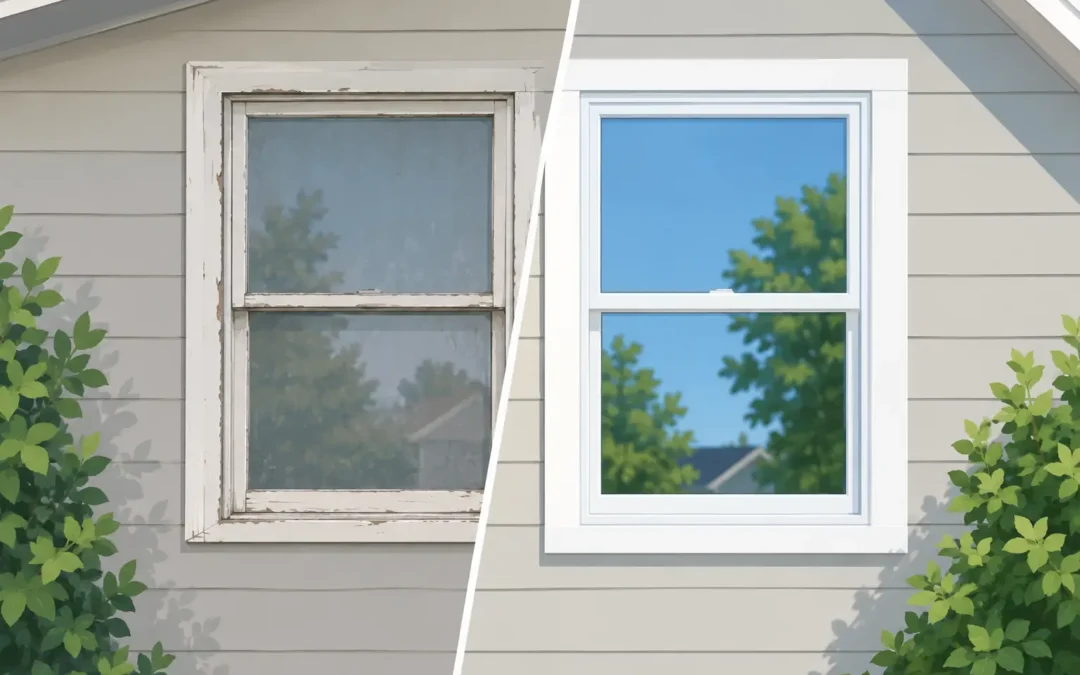
A good window replacement before and after is rarely just about a cleaner-looking frame. It can mean the back bedroom finally feels comfortable on a cold morning, the lounge is less affected by road noise, and closing the window no longer takes a firm push and a hopeful rattle. The visible improvement matters, but the everyday difference is usually what homeowners notice most.
Replacing windows is a considered purchase, so it helps to know what should change and what should not be overlooked. The right result is not simply a new set of frames. It is windows that suit the property, are measured accurately, fitted properly and finished with care.
What old windows can tell you
Windows do not always fail suddenly. More often, small frustrations build over time. You may feel a draught near the frame, see condensation between panes, hear every passing car, or find that a handle has become stiff. Timber frames can show peeling paint, swelling or rot, while older uPVC may discolour, warp or no longer seal as it should.
Some signs point to a repair rather than full replacement. A failed double-glazed unit, damaged hinge, worn lock or broken handle can often be put right without changing the whole window. That is worth establishing first, particularly where the frames are otherwise sound. A straightforward assessment should focus on the condition of the window, not on selling more work than you need.
Replacement becomes the more sensible option when there are several issues at once: poor insulation, recurring condensation between the panes, difficult operation, insecure locks, tired frames or an appearance that no longer works with the home. If a number of windows are reaching the same point, replacing them together can also create a more consistent finish.
Window replacement before and after: the changes you can feel
The most immediate before-and-after change is often temperature. Older single glazing and early double glazing can allow heat to escape around the glass, frame or opening. Modern double-glazed windows are designed to reduce heat loss, provided the whole unit is specified and installed correctly. Rooms may warm up more quickly and hold their warmth for longer, especially those with large areas of glass or exposed elevations.
That does not mean new windows will solve every cold-room problem. Loft insulation, cavity walls, ventilation and the heating system all play a part. But replacing draughty, poorly sealed windows removes one common source of discomfort and can make a noticeable difference to how a room feels.
Noise reduction is another change people often value. A newer sealed unit can reduce outside noise compared with old or ill-fitting windows, though the result depends on the glazing specification, the size of any gaps and the type of noise. Traffic, trains and nearby flight paths may call for a more considered glass choice than a standard unit. It is better to discuss the actual source of the noise during the survey than assume every replacement will provide the same level of quiet.
Security should also improve. Modern windows can be supplied with stronger locking systems, secure handles and toughened glass where appropriate. Crucially, security is about the entire installation: a well-made window needs to be fitted squarely and fixed properly into a sound opening.
The visible difference is in the details
From the outside, replacement windows can sharpen up a property remarkably quickly. Fresh white uPVC can brighten a traditional terrace, while anthracite grey, black or wood-effect finishes can give a more contemporary look. Aluminium windows offer slimmer sightlines and are often chosen where homeowners want more glass and less frame, although the best material depends on the property, budget and style you are trying to achieve.
Inside, neat trims, clean reveals and smooth-operating handles have an outsized effect. Windows should sit comfortably within the existing opening, with tidy finishing around the edges rather than excessive sealant or bulky cover strips used to hide poor preparation.
The choice of opening style matters too. Casement windows remain a practical choice for many homes, while vertical sliders can retain the character of period properties. Bay windows, tilt-and-turn designs and windows with heritage-style glazing bars each create a different result. The strongest before-and-after projects respect the proportions of the building instead of forcing a fashionable style onto it.
What a well-managed replacement project looks like
The after photo may show spotless new windows, but the route to that result begins with a proper survey. Measurements should be taken from the actual openings, not estimated from a quick visual check. The survey should identify any concerns around lintels, brickwork, timber, access, internal finishes and ventilation before installation day.
This is where a fitter who surveys can be especially useful. The person assessing the work understands how the windows will be installed and can explain practical choices in plain English. It reduces the risk of promises being made at quotation stage that do not suit the property once the work begins.
On installation day, there will be some disruption. Old windows need to come out, and there may be dust or small areas of making good around the openings. A professional team should protect the working area, remove waste, fit the new units carefully and leave the space tidy. Most standard replacements can be completed with far less upheaval than homeowners expect, but unusual openings or hidden problems can extend the work. Honest expectations are better than a rushed job.
Once fitted, each window should open, close and lock smoothly. The glass should be clean, seals should sit evenly, and the frames should look straight from both inside and out. Ask how to operate the locks, hinges and trickle vents, and keep any product and guarantee information somewhere safe.
Condensation after new windows: what is normal?
New windows often improve comfort, but they can change how moisture behaves in a home. If old windows leaked air freely, they also allowed humid air to escape. Better-sealed replacement windows reduce unwanted draughts, which is positive for warmth, but homes still need controlled ventilation.
Condensation on the room-side surface of the glass is usually a sign of moisture in the air meeting a cold surface. Cooking, showering, drying washing indoors and even sleeping all add moisture. Using extractor fans, opening trickle vents where fitted and allowing short periods of ventilation can help. Condensation trapped between the panes, however, suggests a failed sealed unit and should be checked.
A good installer will consider ventilation as part of the specification rather than treating it as an afterthought. The aim is a home that feels warmer without becoming stuffy.
Choosing windows for your home, not a sales target
There is no single best window for every property. uPVC is a popular, cost-effective option with low maintenance and a wide range of styles. Aluminium can suit contemporary homes and larger glazed areas thanks to its slim, strong profiles. Vertical sliding windows can offer the appearance of traditional sash windows with modern performance.
The right choice comes down to your property, the look you want, thermal performance, maintenance expectations and budget. If your home is in a conservation area or is listed, there may be additional considerations around style and permissions. A no-pressure quotation gives you room to weigh those decisions without being pushed into a same-day answer.
It is also sensible to compare like for like. A low price may not include the same glass specification, hardware, trims, disposal, ventilation or making good. Ask what is included, who will carry out the work and what happens if you need help afterwards. Clear answers are part of good workmanship.
A result that lasts beyond installation day
New windows need little day-to-day attention, but a small amount of care helps keep them working as intended. Clean frames and glass with suitable mild products, keep drainage channels clear and avoid forcing stiff handles. If a window starts catching or a lock becomes difficult, dealing with it early can prevent a minor adjustment becoming a larger repair.
For homeowners in South East London and Kent, Pearson Glass takes a practical approach: assess what is needed, explain the options clearly and carry out the work without the familiar hard sell. Whether the answer is a repair, replacement glass or full new windows, the aim should be the same – a home that looks better, feels more comfortable and works properly every day.
Recent Comments