
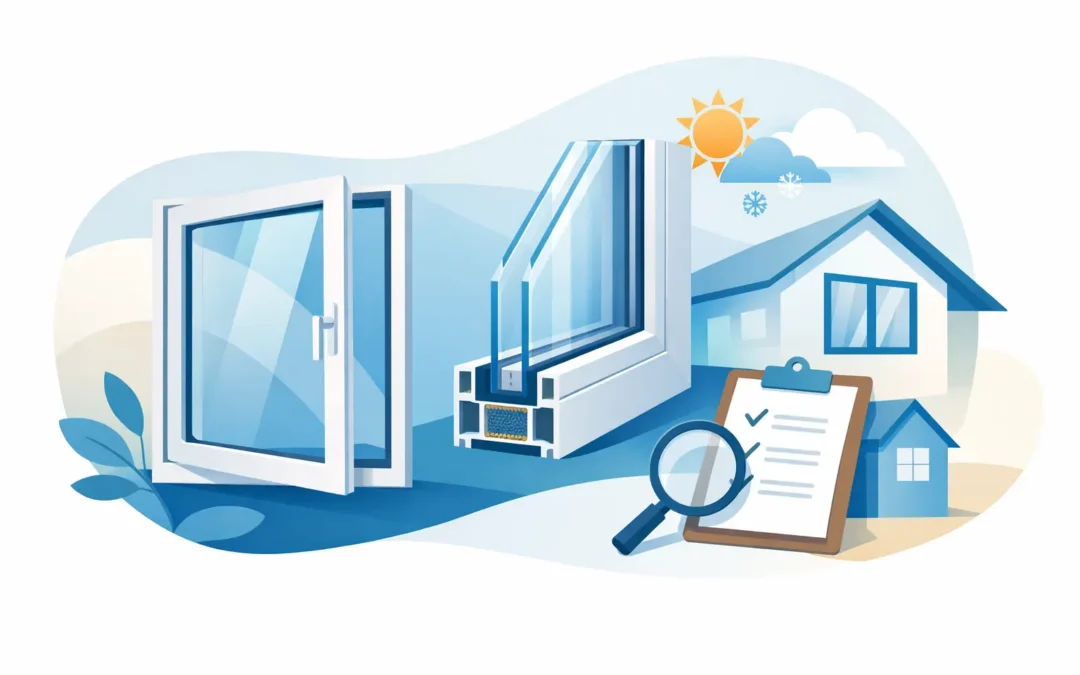
Replacing windows is one of those jobs most homeowners only do once or twice, so it makes sense to get it right. This double glazed windows buying guide is here to make that decision simpler, without the usual sales pressure or confusing jargon. If you know what to look for before you ask for quotes, you are far more likely to end up with windows that suit your home, your budget and the way you live.
What to decide before you compare quotes
The first question is not which window looks nicest. It is what you actually need the windows to do. For some households, cutting heat loss is the priority. For others, it is reducing outside noise, improving security or replacing tired frames that have started sticking, leaking or looking dated.
That matters because the right option for a busy roadside property may not be the same as the right option for a quiet semi-detached home. A family planning to stay put for years may reasonably spend more on long-term performance. If you are freshening up a property before selling, you may focus more on appearance, reliability and sensible value.
It also helps to think room by room. A bathroom window may need privacy glass and easy ventilation. A bedroom facing traffic may benefit from better acoustic performance. A kitchen window often gets used harder than others, so ease of cleaning and opening becomes more important.
A practical double glazed windows buying guide to frame materials
Most homeowners begin with frame style, but frame material is just as important. It affects looks, maintenance, cost and lifespan.
uPVC remains the most popular choice for good reason. It is cost-effective, low maintenance and available in a wide range of finishes. Modern uPVC windows are far better looking than older versions, and for many homes they offer the best balance of price and performance. If you want dependable energy efficiency without stretching the budget too far, uPVC is often the obvious starting point.
Aluminium windows tend to suit homeowners who want slimmer sightlines and a more contemporary look. They are strong, durable and particularly useful where larger panes of glass are part of the design. The trade-off is usually price. Aluminium can cost more than uPVC, so it is worth deciding whether the visual difference and structural strength matter enough for your project.
The age and style of your property should guide you as well. Period homes, for example, may look better with styles that respect the original character. That does not always mean expensive bespoke options, but it does mean the cheapest frame on paper is not always the best buy in practice.
Glass options that make a real difference
Not all double glazing performs the same way. Two windows can look similar but behave quite differently once installed.
Standard double glazing uses two panes of glass with a gap between them, which helps reduce heat loss compared with older single glazing. Beyond that basic setup, there are choices worth understanding. Low-emissivity glass helps keep heat indoors. Gas-filled units can improve insulation further. Laminated or toughened glass can add security and safety. Obscure glass improves privacy in places such as bathrooms and entrance areas.
If your home suffers from noise, ask specifically about acoustic performance. Many people assume all double glazing blocks sound equally well, but that is not the case. The glass thickness, the spacing and the overall unit design all play a part. If peace and quiet matter, say so early rather than treating it as an afterthought.
Energy ratings matter, but they are not the whole story
Energy efficiency is one of the main reasons people replace older windows, and rightly so. Better glazing can help keep rooms warmer, reduce draughts and ease pressure on heating bills.
That said, do not choose on ratings alone. A good energy rating is useful, but installation quality matters just as much. Even a strong-performing unit can disappoint if it is poorly fitted. Gaps, bad sealing and rushed finishing can all undermine the benefit of the product.
This is where it helps to work with a company that looks at the full picture rather than simply selling a unit price. Proper surveying, careful measuring and experienced fitting are what turn a promising specification into a window that actually performs as it should.
Style, opening type and day-to-day practicality
The best windows are not only efficient. They should also feel easy to live with.
Casement windows remain a common choice because they are versatile, secure and suit many property styles. Tilt and turn windows can be useful where ventilation and easier cleaning are priorities. Vertical sliders may be a better fit for homes where preserving traditional appearance matters.
Think about furniture placement, cleaning access and how far windows can open safely. A large opening sash may sound appealing until it clashes with a worktop, blinds or a narrow external path. Equally, upstairs windows that are awkward to clean from inside may become a nuisance over time.
Security should be part of this conversation too. Quality locks, reliable handles and well-made frames all matter. A smart-looking window is not much use if it leaves you doubtful about security or starts developing hardware problems too soon.
What affects the cost of new double glazed windows
Homeowners often ask for a rough price first, which is understandable, but window costs vary for sensible reasons. Size, frame material, glazing specification, style, colour and hardware all affect the final figure. Installation complexity matters as well. Replacing straightforward ground floor windows is different from dealing with awkward access, bays or older openings that need extra attention.
This is why unusually cheap quotes deserve a closer look. They may exclude elements that will appear later, or they may be based on a basic specification that does not match what you actually need. On the other hand, the highest quote is not automatically the best either. Good value usually sits in the middle ground where quality product, proper fitting and clear service come together.
A straightforward quotation process should leave you knowing exactly what is included. If anything is vague, ask. You should not feel rushed into agreeing on the day.
How to compare installers properly
A window is only as good as the people measuring and fitting it. That is why the installer matters every bit as much as the product.
Look for clear communication from the start. Are they listening to what you want, or steering you towards whatever is easiest to sell? Do they explain options in plain English? Are they realistic about timescales, disruption and costs?
It is also worth asking who surveys the job and who carries out the installation. A more joined-up process can reduce mistakes and make the whole experience less stressful. Pearson Glazing has built much of its approach around that practical, no-pressure way of working, because homeowners generally want advice and workmanship, not a sales performance.
Questions worth asking before you commit
A good supplier should be comfortable answering sensible questions. Ask what glass specification is included, what security features come as standard and whether the windows are being made to suit your property or pushed as a one-size-fits-all option.
You should also ask about guarantees, aftercare and what happens if something needs adjusting after installation. Windows are a long-term purchase, and a company that can also help with repairs, replacement glass or hardware issues later on offers a practical advantage.
If you live in South East London or Kent, local knowledge can help too. Installers familiar with the area often have a better sense of the property types they are working with and the common issues that crop up.
Common mistakes this double glazed windows buying guide can help you avoid
One common mistake is buying purely on price. Another is focusing only on the frame and overlooking the glass specification. Some homeowners also underestimate how much installation quality affects the end result.
There is also the temptation to make the decision too quickly just to get the job ticked off. Windows are visible every day and expected to last for years, so a calm, well-explained buying process is worth having. If a quote comes with pressure, limited-time scare tactics or vague promises, that is usually a sign to step back.
A better approach is simple. Be clear about your priorities, compare like with like and choose a company that makes the process feel manageable rather than uncomfortable.
When is the right time to replace your windows?
Sometimes the answer is obvious. If frames are rotten, units are blown, locks are failing or draughts are constant, replacement is usually the sensible move. In other cases, it is more about overall performance and appearance. You may be tired of condensation between panes, rising noise levels or a house that never quite feels warm enough.
There are situations where repair may still be the better option, especially if the issue is limited to hardware, sealed units or a single damaged pane. That is another reason to speak to a company that understands both replacement and repair. Not every problem requires a full new set of windows.
A good buying decision rarely comes from being talked into the most expensive option. It comes from understanding what your home needs, knowing where the trade-offs are and choosing windows that will still feel right years after the fitters have left. If the process feels clear, honest and practical from the start, you are usually on the right track.
Recent Comments