
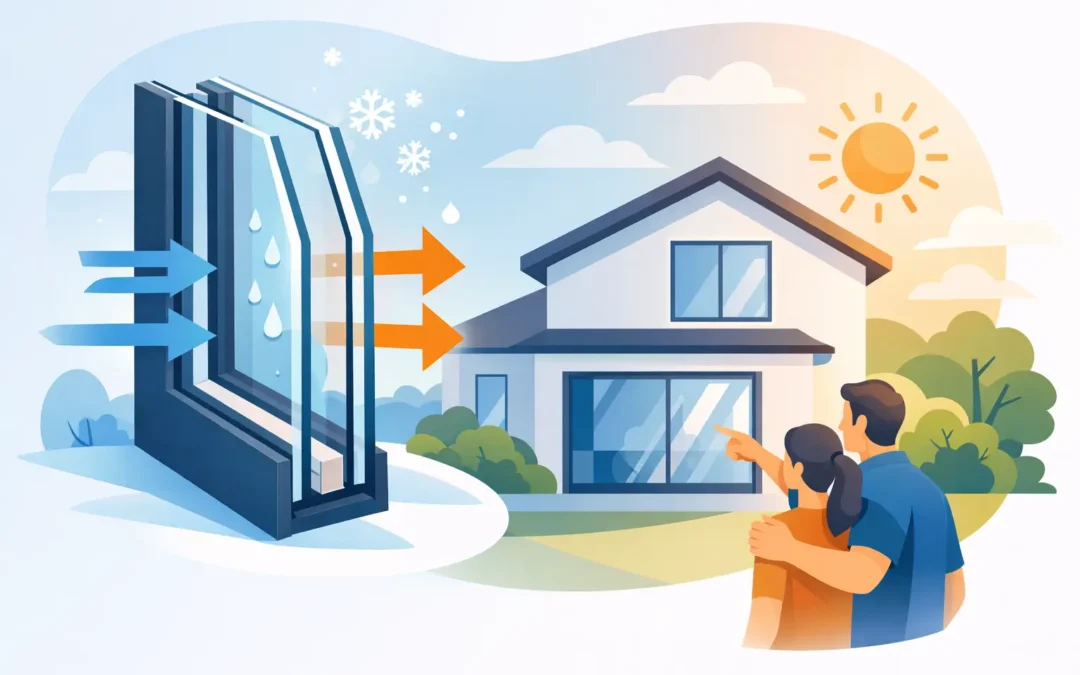
A cold patch beside the sofa, traffic noise through the front room or condensation gathering inside a window can all make a house feel less comfortable than it should. Double glazing is often the answer, but choosing new windows or doors should not mean being pushed into a decision you are not ready to make. A clear survey, sensible options and a well-fitted product matter far more than a rushed sales pitch.
For most homeowners, the aim is straightforward: keep more warmth indoors, reduce outside noise, improve security and give the property a smarter finish. The right solution depends on the condition of your existing frames, the style of your home and whether a repair could still do the job.
How double glazing works
A double-glazed unit contains two panes of glass separated by a sealed gap. That gap is normally filled with air or an insulating gas and slows the transfer of heat between the inside and outside of your home. Modern units may also use low-emissivity glass, often called Low-E glass, which helps reflect warmth back into the room.
The glass unit is only one part of the result. Frames, seals, hinges, locks and the quality of installation all affect how a window or door performs. A high-specification unit fitted poorly can still let in draughts and water. Equally, replacing only failed glass in sound frames can be a practical, cost-effective improvement.
Double glazing does not make a home completely silent or remove every cold spot. Solid walls, ventilation, roof insulation and gaps around other parts of the building also play a part. It does, however, make a noticeable difference in many homes, particularly where single glazing, worn seals or older frames are currently in place.
The benefits homeowners notice first
The immediate benefit is usually comfort. Rooms tend to hold their temperature better, so they feel less chilly near windows during colder months. Reduced heat loss can also help your heating work more efficiently, although the saving will vary with the size of the property, existing insulation and how the household uses its heating.
Noise reduction is another common reason to upgrade. Double glazing can soften general road noise, conversations outside and everyday neighbourhood sounds. If you live near a busy route, railway or school, ask about acoustic glass rather than assuming any standard unit will deliver the same result. Thicker panes and different glass combinations can improve sound reduction, but the best choice depends on the type of noise and the window design.
Security deserves equal attention. Modern windows and doors can include multi-point locking, toughened or laminated glass where appropriate, secure hinges and reinforced frames. These features should suit the opening and location. For example, ground-floor windows and accessible rear doors may need a different level of consideration from an upstairs bathroom window.
There is also the visual side. Fresh frames can sharpen the appearance of a property, while replacement glass can remove the misted look caused by a failed sealed unit. uPVC remains popular for its value and low maintenance, while aluminium can offer slim sightlines and a more contemporary look. Vertical sliders, French doors, patio doors and bi-fold doors each bring their own character and practical considerations.
Repair or replace: making the sensible choice
Not every problem calls for entirely new windows. If condensation is trapped between the panes, the sealed glass unit has failed, but the surrounding frame may still be in good order. In many cases, replacing the glass unit restores clarity and performance without the cost of a full replacement.
Stiff handles, faulty locks, damaged hinges and worn window seals can often be repaired too. This is particularly useful when the frames are structurally sound, match the rest of the house and still close properly. A repair-led assessment should identify the fault rather than treating a replacement as the only option.
Full replacement is more likely to make sense when frames are warped, rotten, cracked, draughty or no longer secure. It may also be the better long-term choice if several units have failed, windows are difficult to operate or you want to change the style of the property. Old timber windows can sometimes be repaired successfully, but extensive decay may make replacement the more reliable route.
A proper survey is where this decision becomes clearer. The person assessing the work should inspect the frame condition, openings, drainage, ventilation, locks and surrounding brickwork. They should also ask what you want to improve. A warmer bedroom requires a different conversation from a wider opening for garden doors.
Choosing frames, glass and openings
There is no single best material for every home. uPVC is durable, straightforward to maintain and available in a wide range of finishes, including wood-effect options. It suits many properties and can offer strong thermal performance at a sensible price point.
Aluminium is a good option where slim frames, large glazed areas or a modern appearance are priorities. It is often chosen for bi-fold doors and wide openings, though it can cost more than uPVC. The right comparison is not simply material against material. Look at the full specification, including glass, hardware, finish, guarantees and installation.
The way a window opens matters in everyday life. Casement windows are versatile and familiar. Tilt-and-turn windows can make cleaning and controlled ventilation easier. Vertical sliders are well suited to properties where a traditional sash appearance is wanted. For doors, consider how furniture, walkways and garden use will affect the practical choice between French, patio and bi-fold designs.
Ventilation should not be overlooked in the search for a warmer home. Modern replacement windows may include trickle vents where required or appropriate. They provide background airflow without needing to leave the window open, helping manage moisture and indoor air quality. Your installer should explain what is proposed and why.
What good installation looks like
The fitting itself has a major effect on the finished result. Before work starts, measurements need to be accurate and the specification agreed. During installation, old frames should be removed carefully, openings checked, new units fixed securely and gaps insulated and sealed correctly.
The finishing details are worth checking. Internal trims should be neat, external seals should protect against weather, and opening sashes or doors should operate smoothly. Your installer should test locks and handles, explain how to use any trickle vents, and leave the area tidy. If glass has decorative bars, patterned sections or special finishes, confirm these details before manufacture.
It is reasonable to ask who will carry out the survey and fitting, how long the work is expected to take, and what happens if an issue is found once the old frame is removed. Clear answers early on help prevent unwelcome surprises later.
For homeowners in South East London and Kent, Pearson Glazing takes a practical approach by using fitters who also survey. That can make the process more straightforward, because the person assessing the work understands the realities of fitting it.
Getting a quote without the pressure
A useful quote should describe the proposed products and work clearly. It should set out the number and type of windows or doors, frame colour and finish, glass specification, hardware, ventilation, removal of old materials and any making-good work included. If something is not included, it should be stated plainly.
Price matters, but the lowest figure is not always the best value. A cheaper quote may use a different glass specification, omit repairs to reveals, provide less suitable hardware or leave important details vague. Compare like for like before deciding.
You should have time to consider the proposal, ask questions and check that it meets your priorities. Be wary of artificial deadlines, large discounts that disappear if you do not sign immediately, or claims that one product is right for every property. Good advice is specific to the home in front of the surveyor.
Looking after your new glazing
Most modern windows and doors need only basic care. Clean glass and frames with mild soapy water, keep drainage channels clear, and avoid abrasive cleaners that could mark the finish. Check that handles, hinges and locks continue to operate smoothly, especially on frequently used doors.
If you notice draughts, difficulty closing a sash, water ingress or condensation between panes, arrange an inspection rather than waiting for the issue to worsen. Small adjustments and replacement parts can often extend the life of existing glazing.
The best double glazing is the kind that quietly makes daily life easier: a warmer room, a calmer home and windows or doors that work properly every time you use them. Start with an honest assessment of what needs attention, then choose a solution that suits your property rather than a sales script.
Recent Comments