
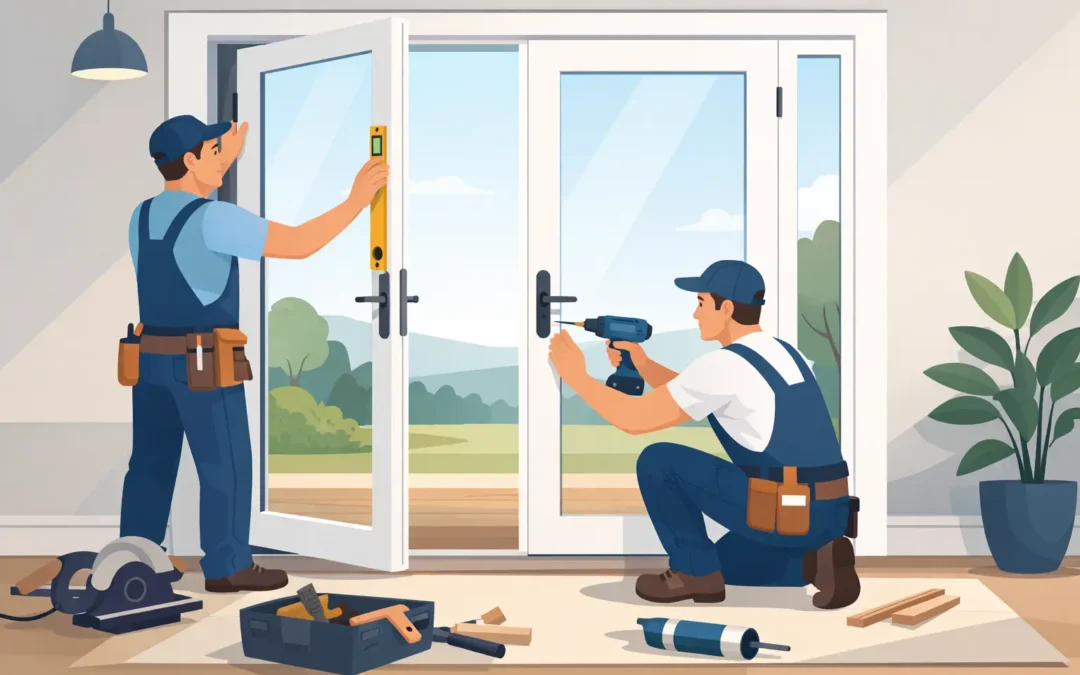
If your back door sticks in winter, lets in draughts, or simply wastes a good view of the garden, French patio doors installation can be a smart upgrade. It changes how a room feels day to day, bringing in more light, improving access, and often making the whole rear of the property feel more open. The key is getting the details right before the frame ever goes in.
French patio doors are popular because they offer a practical middle ground. You get the wider glazed look people want from patio doors, but with the familiar hinged opening of a traditional door set. For many homes, that balance works well. They suit kitchens, dining rooms, lounges and conservatories, and they can be fitted in both modern and older properties without looking out of place.
What French patio doors installation actually involves
A proper installation is more than swapping one set of doors for another. The opening needs to be measured accurately, the condition of the surrounding structure checked, and the finished door set chosen to suit the way the space is used. That includes the frame material, threshold, glazing, hardware and opening direction.
Once on site, the old doors are removed carefully and the aperture is prepared so the new frame can sit square, level and secure. If the opening is out, even by a small amount, you can end up with doors that catch, gaps that let in weather, or locking systems that do not line up as they should. A neat finish matters, but the hidden parts matter just as much.
This is why surveying is so important. In many cases, the difference between a trouble-free result and a frustrating one comes down to whether the installer has taken the time to look properly at the opening, the floor level and the surrounding brickwork or plasterwork before the job begins.
Choosing the right doors for the space
Not every French door set suits every home. A lot depends on how you use the room and what sits outside. If the doors open onto a patio with plenty of clearance, outward opening doors may be ideal because they free up internal floor space. If outside space is tighter, inward opening may make more sense, though you then need to allow for furniture placement inside.
The threshold is another point worth thinking about early. A low threshold can improve access and create a smoother step out into the garden, which is useful for families, older homeowners or anyone who wants the opening to feel less broken up. The trade-off is that the threshold still needs to deal well with rain and drainage. That is where product choice and fitting quality matter together.
Frame material also affects the final result. uPVC remains a strong option for many households because it is cost-effective, low maintenance and available in a range of finishes. Aluminium can offer slimmer sightlines and a sharper contemporary look. Neither is automatically better in every case. It depends on your budget, the style of the property and what matters most to you – price, appearance, maintenance or glazing area.
Why the survey matters as much as the fitting
Homeowners often focus on the door design, which is understandable, but the survey is where many of the important decisions happen. A good survey should confirm the exact measurements, check whether the existing lintel and opening are suitable, and flag anything that could affect installation such as uneven floors, tired brickwork or internal finishes that may need making good.
It should also cover how the doors will open in real life. Which leaf is the everyday traffic door? Will the furniture still work where it is? Is there enough space outside for the doors to swing freely? These points sound small, but they make a big difference once the doors are in and being used every day.
A straightforward, no-pressure approach is especially valuable here. Home improvement decisions are easier when someone explains the practical pros and cons clearly instead of trying to push the most expensive option.
Security, energy efficiency and day-to-day performance
French doors need to look good, but they also need to perform properly. Most homeowners are thinking about three things: keeping heat in, keeping weather out and keeping the property secure.
Modern glazed doors can help with energy efficiency when they are fitted well and specified correctly. Double glazing, quality seals and a well-installed frame all play their part. Poor installation can undermine good products, so there is little value in paying for better glazing if the frame is not fitted tightly and finished correctly.
Security is similar. Multi-point locking systems, toughened safety glass and secure hardware all matter, but only if the doors are aligned properly and the locking keeps engage as intended. A door that looks fine on day one but drops slightly over time is not just annoying – it can affect how securely it locks.
Weather performance is another area where workmanship shows. Rear elevations take a lot of exposure in some homes, especially in open gardens or corner plots. The seals, trims and frame fixing all need to be done properly so you are not left with draughts, water ingress or movement later on.
Common issues with French patio doors installation
Most installation problems are avoidable. The usual trouble spots are inaccurate measuring, poor frame alignment, weak finishing around the opening, and not thinking carefully enough about thresholds or door swing.
Another common issue is choosing doors based only on appearance in a brochure. A wide opening looks great on paper, but if the room is compact and the active door opens into a busy walkway, the result can be less practical than expected. Good advice should help you avoid that.
There can also be surprises when replacing older doors. Existing openings are not always square, and older properties can have quirks that only show up once the original frame is removed. That does not mean the job becomes a problem, but it does mean experience matters. An installer who also understands surveying is far better placed to handle those details smoothly.
Planning for the finish inside and out
The best installations look like they belong to the house. That means thinking beyond the frame itself. Internal trims, sealant lines, cills and external finishing all affect the final appearance.
Colour choice matters too. White remains popular because it suits most homes and keeps costs sensible, but anthracite greys, black and wood-effect finishes can work well depending on the property. The right finish should complement the windows and doors already in place rather than fight against them.
It is also worth considering how the doors connect visually to the garden. French doors are often chosen to create a stronger link between inside and outside, so sightlines, threshold detail and glazing proportions all contribute to that effect. If your garden is one of the room’s best features, the doors should frame it properly.
What homeowners should expect from the process
A good installation process should feel clear from start to finish. You should know what is being fitted, what the quote includes, how long the work is likely to take and whether any making good is needed around the reveal. There should not be guesswork or pressure.
For homes in South East London and Kent, local knowledge can help too. Property styles vary, and practical advice is often better when it comes from a team used to dealing with the kinds of openings, layouts and access issues common in the area.
At Pearson Glazing, the emphasis is on plain advice and proper workmanship rather than the usual hard sell that people rightly dislike in this trade. That makes a real difference when you are weighing up options and want a result that works in practice, not just on the quote.
Is French patio doors installation right for every home?
Not always, and that is worth saying plainly. If you want the largest possible clear opening, bi-fold doors may be the better fit. If external space is very limited, a sliding patio door might suit the layout better. French doors work best when you want a classic look, a generous glazed opening and the simplicity of hinged access.
They are especially useful where you want one leaf to act as an everyday door and the full width only opened when needed. For many households, that is exactly the right balance.
The right choice usually comes down to how you live in the space, not just what looks appealing in a photo. If the doors are measured properly, specified sensibly and installed with care, they can improve light, comfort and access in a way you notice every single day. That is usually the best sign you have chosen well.
Recent Comments