
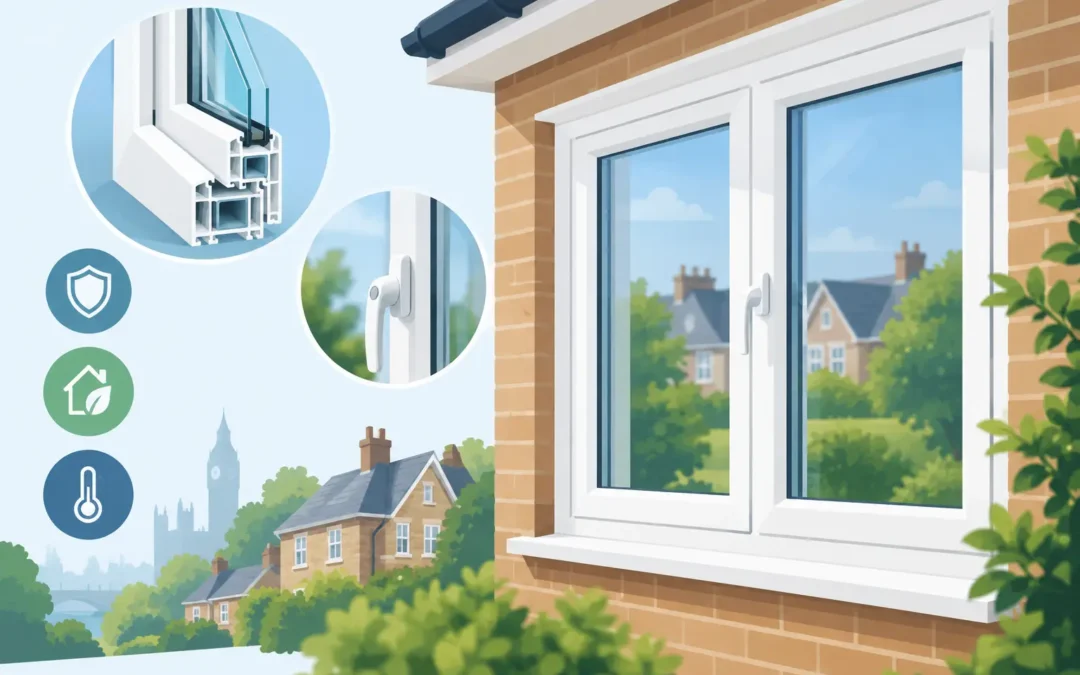
A window can look excellent in a showroom and still disappoint once it is fitted. Draughts around the frame, awkward handles, poor finishing and a room that remains cold are usually not problems with the idea of uPVC itself. They are signs that the specification, survey or installation has not been given enough attention. This uPVC windows review guide focuses on the details that make the difference once your new windows are part of everyday life.
Start with what your home needs
There is no single “best” uPVC window for every property. A ground-floor bay facing a busy road needs different things from an upstairs bathroom window or a rear extension that catches the afternoon sun. Before comparing brochures or quotations, think about the problem you want the new windows to solve.
For many homeowners, it is a combination of warmth, noise reduction, security and tired-looking frames. You may also need easier ventilation, replacement windows that suit a period property, or glazing that makes a conservatory more comfortable through the year. Being clear about your priorities helps you avoid paying extra for features you are unlikely to value, while making sure the essentials are not missed.
The style matters too. Casement windows remain a practical choice for many homes, while tilt-and-turn windows can make ventilation and cleaning easier. Sliding sash-style windows can preserve a traditional appearance without the maintenance associated with old timber. The right choice should suit the property as well as how you use each room.
How to read a uPVC windows review guide properly
Online reviews can be useful, but they need reading with a little care. A five-star comment about a polite sales visit tells you something about service, but not necessarily about the quality of the finished installation six months later. Look for reviews that mention the full process: quotation, survey, communication, fitting, cleanliness and how any small issues were handled.
Pay particular attention to detail. Did the installer arrive when expected? Were the fitters respectful of the home? Was the work explained clearly? Did the homeowner feel pressured into making a decision? These are often better indicators of the experience you can expect than broad statements such as “great company”.
It is also worth looking at how a business responds when something does not go perfectly. Window replacement is practical work on an existing building, and unexpected issues can occasionally appear once old frames are removed. A dependable company will explain the options, agree the next step and see the work through, rather than disappear after the payment has been made.
Ask what the review does not tell you
Most reviews will not state the glass specification, the locking system, the frame depth or whether the openings were properly measured. Use them to narrow down companies, then ask direct questions before accepting a quote. A straightforward installer should be happy to explain what is included and why it has been recommended.
A proper survey is especially valuable. Measurements taken at the first appointment may be useful for a guide price, but final sizes, opening arrangements and installation details should be checked carefully before the windows are ordered. At Pearson Glazing, fitters also act as surveyors, helping keep practical installation knowledge at the centre of the process.
Compare the frame, glass and hardware together
A uPVC window is a complete system, not simply a white frame with glass in it. The frame profile affects appearance, strength and the amount of visible glass. The sealed units affect warmth, sound and comfort. Hinges, handles and locks affect how the window feels every day and how well it protects the home.
Ask to see samples where possible. Open the window, try the handle and look at the corners and seals. A well-made unit should feel solid and close neatly without excessive force. If you are replacing several windows, check that the sightlines and handle finishes will look consistent across the property.
Colour choices are broader than they once were. White remains popular because it is clean, versatile and often the most cost-effective option. Anthracite grey, black, wood-effect finishes and coloured foils can give a more distinctive look, but they may increase the price and lead time. They can also be harder to match if only one window needs replacing in the future, so consider the whole elevation rather than choosing in isolation.
Energy efficiency is about more than the glass
Double glazing can make a noticeable difference to comfort, particularly where old single glazing or failing sealed units are being replaced. However, good thermal performance depends on the full window: the glazing, frame, seals, spacer bars and quality of fitting all play a part.
Ask for the energy rating and the stated performance of the proposed window, rather than assuming all double glazing performs equally. If a room is consistently cold, also consider the wider cause. Gaps around old frames, poor wall insulation, a draughty door or inadequate heating controls may be contributing. New windows can help greatly, but they cannot fix every source of heat loss on their own.
Triple glazing may be worth discussing for certain homes, especially where maximum thermal performance or noise reduction is the main goal. It is heavier and generally costs more, though, and it is not automatically the best value for every opening. A good recommendation should reflect the room, the building and your budget rather than treat the highest specification as the only answer.
Do not overlook ventilation and condensation
Warmer, tighter windows change how air moves through a home. That is usually positive, but it makes sensible ventilation more important. Trickle vents, opening sections and everyday habits such as using extractor fans all help manage moisture.
Condensation on the room-facing side of the glass is often linked to humidity inside the property, particularly in kitchens, bathrooms and bedrooms. It does not always mean the new window is faulty. On the other hand, misting between panes is a sign that a sealed unit has failed and should be investigated.
Discuss ventilation early, especially if your home has suffered from condensation or mould. The aim is a comfortable home that holds heat well without feeling stale or damp. There is a balance to strike, and the right approach varies between properties.
Security should be practical, not just a sales phrase
Modern uPVC windows can offer strong everyday security when they are properly specified and fitted. Look for secure locking points, durable hinges, quality handles and glazing fitted correctly within the frame. Ground-floor and easily accessible windows deserve particular attention, but secure hardware matters throughout the house.
Ask how each opening locks and whether there are child-safety or restricted-opening options where needed. A bathroom or upper-floor bedroom may need a different arrangement from a living-room window that opens onto a garden. Security should work alongside safe escape routes and practical ventilation, not against them.
Judge the quote by what is included
The cheapest quote is not always the lowest-cost choice once work begins. A clear quotation should set out the window style, colour, glazing, hardware, number of openings and fitting work included. It should also explain whether old frames will be removed and disposed of, how internal and external finishing will be handled, and whether any making-good is included.
Be cautious with vague descriptions such as “supply and fit windows” if there is no detail behind them. Two quotes that appear similar can differ significantly in glass, hardware, installation standards and aftercare. Ask for clarification before committing, not when the fitters are already at the door.
No-pressure advice is valuable here. You should have time to compare options, ask questions and decide whether a repair, replacement sealed unit or full window replacement is the sensible route. Not every issue requires a complete new frame.
The fitting day matters as much as the product
Even a high-quality window can underperform if it is poorly installed. Good fitting starts with protecting the work area and removing old frames carefully. The new units should sit squarely in the openings, be fixed securely and sealed properly, with neat finishing inside and out.
Before the team leaves, check that every opener works, handles lock correctly and the windows are clean and undamaged. Ask for a simple demonstration if anything is unfamiliar. It is much easier to raise a query while the installation is fresh than to live with a concern because you were unsure whether it was normal.
The best choice is usually not the window with the longest list of features. It is the one that suits your home, is clearly specified, fitted with care and supported by people who will answer the phone if you need them. Take your time with the survey and quotation, and you will be far more likely to enjoy the result for years to come.
Recent Comments