
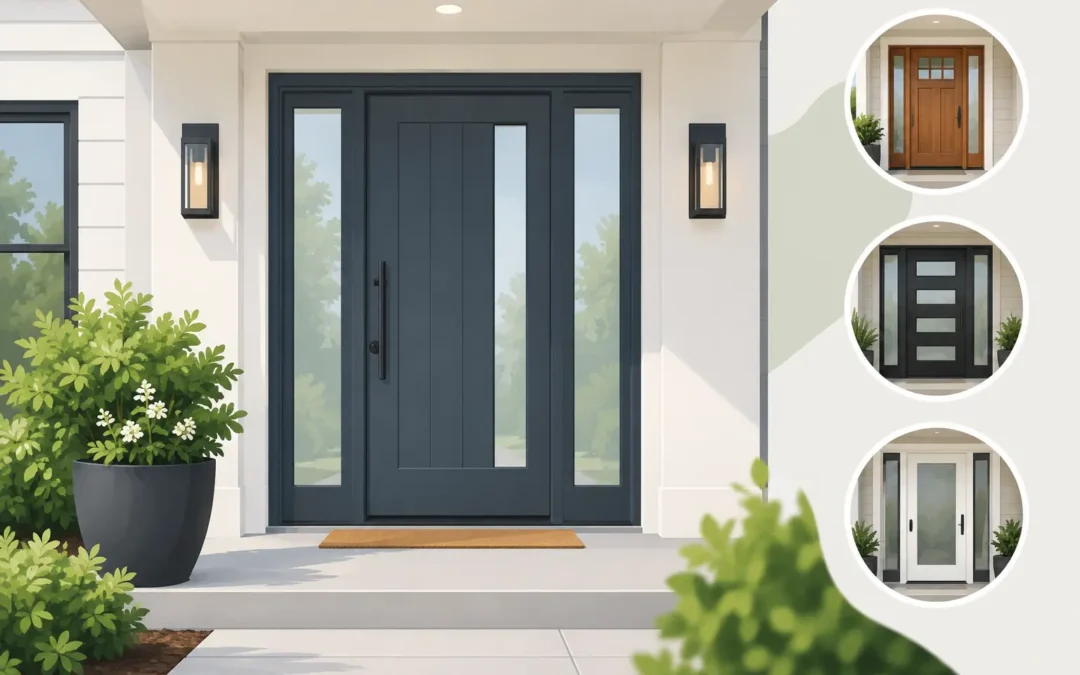
The front door is one of the few parts of your home you use every day, yet it is often replaced only when it becomes difficult to lock, lets in draughts or no longer feels secure. This guide to replacement entrance doors explains what to look for before choosing a new door, from material and style to security, glazing and fitting.
A replacement entrance door should make coming home feel better. It needs to suit the property, keep the weather out, operate smoothly and give you confidence when you turn the key. The right choice is rarely about one feature alone. It is about getting the balance right for your home and budget.
Start with the problem you want the door to solve
If your current door is cold, noisy or visibly worn, improved insulation and appearance may be the priority. If the lock sticks, the frame has moved or the door has become difficult to close, security and proper installation may come first. A new entrance door can address several of these concerns at once, but being clear about the main issue helps keep the decision straightforward.
Take a good look at the whole entrance, not just the door slab. Check the frame, threshold, letterbox, handles, glazing, side panels and any fanlight above the door. Replacing a tired door while retaining a poor frame or outdated locking arrangement may not deliver the improvement you expected.
It is also worth thinking about how you use the entrance. A busy family home, a ground-floor flat and a period house with a prominent front elevation can all call for different practical choices.
Choosing a replacement entrance door material
For many homes, the choice comes down to a composite door, a PVC-u door or an aluminium door. Each has strengths, and the best option depends on the look you want, the level of maintenance you are comfortable with and the specification required.
Composite doors
Composite doors are a popular choice when homeowners want a solid, traditional-looking entrance with modern performance. They are built from several materials rather than a single solid piece, and are available in a wide range of colours, panel designs and woodgrain finishes.
Their substantial feel can be particularly appealing on a main entrance. They can suit everything from Victorian terraces to newer family homes, depending on the style selected. Quality varies between products, so ask about the door’s construction, weather seals, locks and warranty rather than choosing on appearance alone.
PVC-u doors
PVC-u entrance doors are practical, low-maintenance and often offer good value. They are available in a choice of styles and colours, including wood-effect finishes, and can work well where a simple, reliable replacement is the aim.
They may be a sensible option for a side entrance, porch or rental property as well as a front door. The key is to choose a design and finish that looks proportionate to the property. A carefully specified PVC-u door can look smart; a poorly matched style can make an otherwise attractive entrance feel less considered.
Aluminium doors
Aluminium is a strong option for homeowners who prefer slim sightlines, crisp modern detailing and a wide choice of contemporary colours. It is especially effective on modern homes or properties with aluminium windows, though the right design can also complement older houses.
Aluminium doors tend to sit at a higher price point. In return, they offer strength, durability and a clean finish. If you are considering a larger glazed entrance or a statement colour, aluminium is worth discussing at the survey stage.
Security is more than the lock
A good-looking door should never come at the expense of security. The lock matters, but so do the hinges, keeps, frame, glazing and the way every part is fitted together. A properly installed multipoint locking system helps secure the door at several points around the frame, rather than relying on one central lock alone.
If your door uses a euro cylinder, consider an anti-snap cylinder designed to resist common methods of forced entry. The letterbox, if fitted, should also be positioned and specified so it does not compromise access to internal handles or keys.
Ask what security hardware is included in the quoted specification. This avoids assumptions and makes it easier to compare like for like. It is sensible to check whether a product has been independently tested to a recognised security standard, particularly for a main front door.
Just as importantly, a door needs to be measured and fitted correctly. Even high-quality hardware cannot perform as intended if the frame is poorly secured or the door is not adjusted properly.
Glazing, privacy and natural light
Glazing can transform a dark hallway, but it needs to be chosen with privacy in mind. Obscure, textured or decorative glass lets daylight through while limiting views into the home. Clear glass may suit a recessed porch or a private setting, but it is not always right for a door opening straight onto a pavement.
Think about the glass in side panels and fanlights as well as the door itself. These areas can add valuable light without making the door overly busy. For security, entrance-door glazing should be safety glass where required and specified appropriately for its position.
Decorative glass designs can suit traditional homes, while simple satin or geometric patterns often work well in contemporary settings. It is worth viewing samples in natural light, as glass can look very different from a small brochure image.
The details that affect everyday use
Door furniture has a bigger effect on daily life than many people expect. Choose a handle that feels comfortable, a letterbox that works with the door’s design and a threshold that is practical for everyone using the entrance. Colour and finish should complement nearby window furniture, exterior lighting and house numbers where possible.
Opening direction deserves proper thought too. Most front doors open inwards, but the available space in your hallway, porch and approach should be checked before ordering. The position of radiators, stairs, internal doors and shoe storage can all affect what works best.
If accessibility is a concern, discuss threshold options and the clear opening needed. Small decisions made before installation are much easier than alterations after the door has been fitted.
Why surveying matters in a guide to replacement entrance doors
No two openings are exactly alike. Older properties can have uneven brickwork, previous alterations or frames that have shifted over time. A proper survey confirms dimensions, checks the condition of the opening and identifies any details that could affect the installation.
This is also the point to agree the door style, hinge side, glazing, handle position, colour, threshold and locking options. A clear survey reduces the risk of unwelcome changes on fitting day and means the quotation can reflect the work actually required.
At Pearson Glazing, fitters also act as surveyors, bringing practical installation knowledge into the process from the start. That helps keep advice focused on what will work in your home, rather than on a sales script.
Budget for the complete job, not only the door
Replacement entrance door prices vary according to material, size, glazing, colour, hardware and the condition of the existing opening. A standard white PVC-u door will usually cost less than a bespoke composite or aluminium design with side panels and decorative glazing, but the cheapest option is not always the best value over time.
When comparing quotes, check what is included. Removal and disposal of the old door, new frame, security hardware, trims, making good, survey and installation should all be clear. Also ask how adjustments or aftercare are handled should the door need attention after fitting.
A transparent quote gives you room to decide without pressure. You should be able to understand the specification, ask questions and make changes before committing.
Before installation day
Clear the area around the entrance and move any fragile items from the hallway. If you have alarms, doorbells or access-control equipment fixed to the existing frame, mention them in advance so their position can be considered. Keep pets safely away from the work area, and plan for some temporary disruption while the old door is removed and the new one is fitted.
Once installed, test the key, handle and locking points with the fitter before they leave. Ask how to clean the finish, look after moving parts and report any future issue. A well-fitted entrance door should close cleanly, lock without force and make the whole entrance feel more secure from the first day.
Recent Comments